
Acid, Enzymes, and You: What Helps Digestion (and What Doesn’t)
TLDR: The Biological Balance of Digestion
- The Mechanism: Digestion relies on a sequential partnership. Stomach Acid (HCl) denatures proteins and sterilizes food, while Digestive Enzymes (like Amylase, Protease, and Lipase) chemically dismantle macronutrients into absorbable fuel.
- The Dysfunction: Symptoms like persistent bloating, gas, and post-meal malaise often signal an imbalance, such as Low Stomach Acid or an Enzyme Deficiency.
- The Solution: Unlike animal-based enzymes that degrade in the stomach, Plant-Based Enzymes (from microbial sources) are acid-stable and work throughout the entire digestive tract. Pairing these with botanicals like Ginger and Fennel soothes visceral hypersensitivity.
- What to Avoid: Be cautious of indiscriminate acid suppression (antacids), which can hinder nutrient absorption, and supplements containing hidden FODMAPs like mannitol.
- Selection Criteria: Choose supplements that list Activity Units (e.g., HUT, FIP) rather than just milligrams to ensure potency.
Understanding the Synergy of Acid and Enzymes
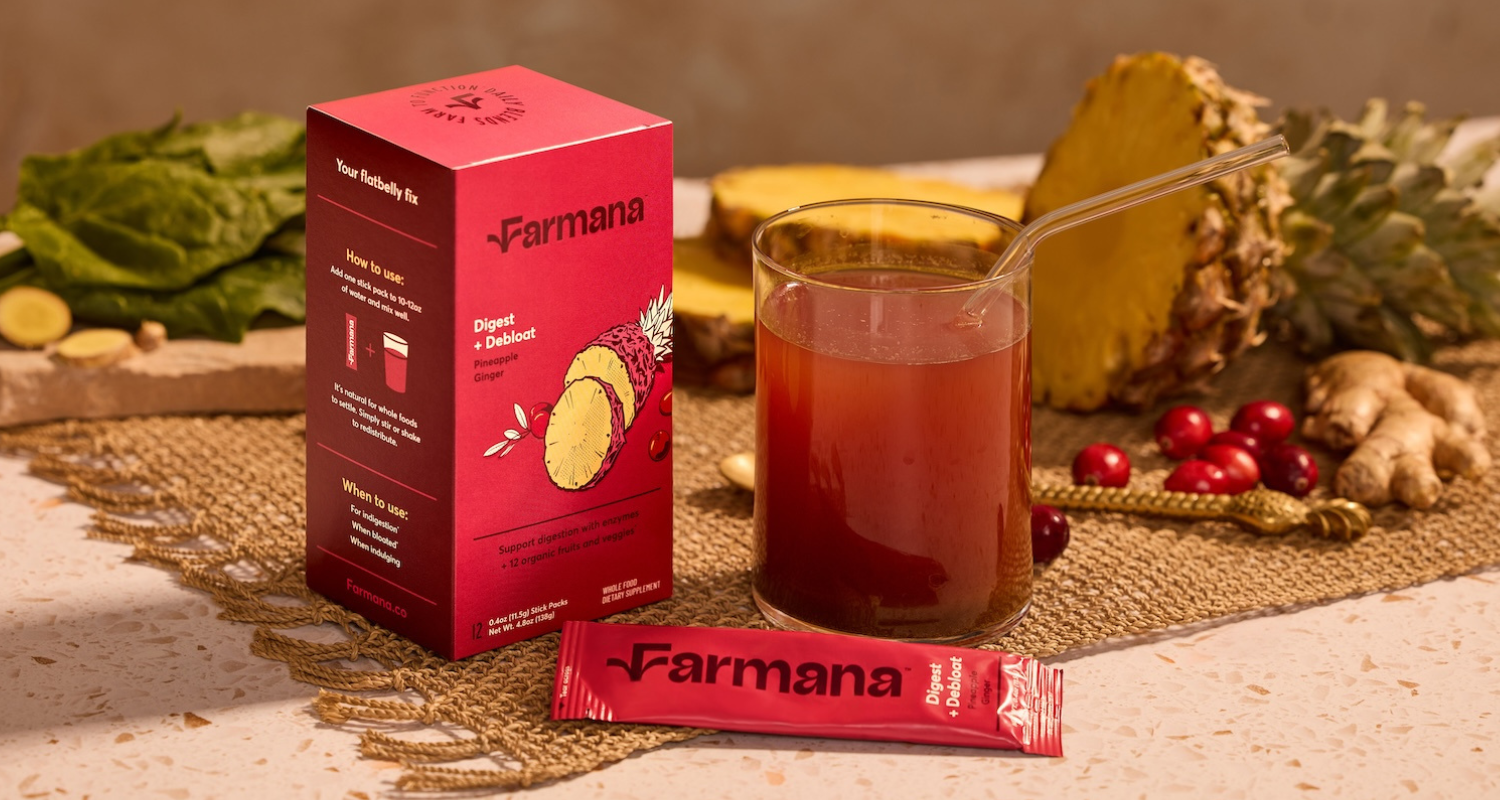
Proper digestion is a complex process involving a careful balance of stomach acid and digestive enzymes. For those experiencing common discomforts like bloating and gas, understanding this interplay is the first step toward finding relief. While some common "remedies" can be ineffective or even irritating, a gentle and targeted approach using plant-based enzymes and soothing botanicals—like those in Farmana's Digest + Debloat—offers a powerful way to support long-term gut health and comfort without the harsh side effects.
This synergy between acid and enzymes is designed to systematically deconstruct the food we eat, transforming it into the vital nutrients our bodies need to function. When this system is out of sync, the consequences are often felt as uncomfortable bloating, embarrassing gas, and general post-meal malaise. By focusing on supporting the body's natural processes with targeted, high-quality ingredients, you can address the root cause of the discomfort rather than just masking the symptoms.
The Digestive Powerhouses: What Role Do Acid and Enzymes Play?
Stomach acid and digestive enzymes play distinct but synergistic roles in breaking down the food you eat into absorbable nutrients. Acid initiates the process in the harsh environment of the stomach by unraveling proteins and killing pathogens, after which a specialized team of enzymes takes over in the intestines to systematically deconstruct fats, carbohydrates, and proteins into molecules your body can use.
The Role of Stomach Acid (HCl)
Stomach acid, primarily hydrochloric acid (HCl), acts as the first wave of digestion by creating a highly acidic environment with a pH between 1.5 and 3.5. This intense acidity serves two critical functions. First, it begins protein digestion by denaturing, or unwinding, complex protein structures, which makes them much easier for enzymes to break down later. Second, this acid bath acts as a crucial sterilizing agent, killing most of the harmful bacteria, viruses, and other pathogens that enter the body with food, thereby protecting you from foodborne illnesses.
The Enzyme Team
Once food leaves the stomach and enters the less acidic small intestine, a specialized team of enzymes takes over. Each enzyme has a specific job, acting like a unique key that only fits one type of macronutrient lock.
Amylase: This enzyme is the primary carbohydrate-digester, breaking down starches into simpler sugars like glucose that your body can absorb for energy.
Protease: Following the initial work of stomach acid, proteases dismantle the unwound proteins into smaller peptides and individual amino acids, which are the building blocks for muscles, hormones, and tissues.
Lipase: Lipase is essential for breaking down dietary fats (triglycerides) into smaller fatty acids and glycerol, which are then absorbed and used for energy storage and cellular function.
Cellulase: While humans don't produce this enzyme, cellulase is often included in supplements to help break down cellulose, the tough fiber in plant cell walls. This can improve the digestibility of plant-based foods and unlock more of their nutrients.
Lactase & Alpha-galactosidase: These are highly specialized enzymes that target sugars notorious for causing gas and bloating. Lactase breaks down lactose (milk sugar), while alpha-galactosidase tackles the complex carbs in beans, broccoli, and lentils.
Why Both are Crucial
Both acid and enzymes are crucial because they work in a sequential partnership that is essential for comfortable digestion and complete nutrient absorption. Acid begins the breakdown process in the stomach, and enzymes complete it in the intestines. A failure at either stage disrupts the entire system, leading to partially digested food that ferments in the gut. This fermentation is a primary cause of gas and bloating, and it also means you aren't absorbing all the valuable nutrients from your food.
Are You Experiencing Digestive Distress? Common Signs to Look For
Common signs of digestive distress include persistent bloating, gas, stomach discomfort after meals, and a feeling of excessive fullness, which often point toward potential imbalances in stomach acid or enzyme production. Recognizing these cues is the first step in identifying the root cause of your discomfort and finding an effective solution for occasional digestive issues.
Signs of Insufficient Stomach Acid
When stomach acid levels are low, you might experience symptoms that seem counterintuitive, such as indigestion, burping, and even acid reflux-like sensations. A primary sign is feeling overly full or like food is just sitting in your stomach for hours after a meal. This occurs because protein digestion is delayed, slowing the rate at which your stomach empties.
Telltale Signs of Enzyme Deficiency
The most common indicators of an enzyme deficiency are directly related to the fermentation of undigested food in the gut. Persistent bloating that develops within an hour or two of eating is a classic sign. You may also experience excessive gas, stomach cramping, or see undigested food particles in your stool. These symptoms often follow a clear pattern, worsening after consuming specific foods like dairy (lactase deficiency) or fatty meals (lipase deficiency).
The Truth About Bloating
Interestingly, for many people, bloating isn't caused by producing more gas than average. Instead, it's often related to impaired gas transit or a heightened sensitivity to normal amounts of gas in the digestive tract. According to Mayo Clinic's insights on gas and gas pains , trapped gas and visceral hypersensitivity (an overly sensitive gut) are often the real culprits behind the discomfort.
When to See a Doctor
While occasional bloating and gas are normal, persistent or severe symptoms warrant a conversation with a healthcare professional. According to Cleveland Clinic's guidance on bloated stomach symptoms, you should seek medical advice if your bloating is accompanied by severe abdominal pain, persistent diarrhea or constipation, unexplained weight loss, blood in your stool, or fever. These can be signs of an underlying medical condition that requires diagnosis and treatment.
Gentle & Effective Support: The Power of Targeted Enzymes and Soothing Botanicals
A gentle yet powerful strategy for digestive relief involves combining targeted, plant-based enzymes with calming botanicals. This approach helps break down problem-causing foods more efficiently while simultaneously soothing the digestive tract, offering a comprehensive solution for bloating and discomfort without the irritation of harsher alternatives.
Why Plant-Based Enzymes Are a Gentler Choice
Enzymes from microbial sources like Aspergillus oryzae are a gentler and often more effective choice because they are naturally acid-stable and function across a broad pH range. Unlike animal-derived enzymes such as pancreatin, which are destroyed by stomach acid and only become active in the alkaline environment of the small intestine, fungal-derived enzymes can withstand the stomach's acidity. This unique stability allows them to begin working on food almost immediately upon ingestion and continue functioning throughout the entire digestive tract, providing more comprehensive action and making them better tolerated by sensitive individuals.
Targeted Enzymes for Common Triggers
Modern supplements can provide highly specific enzymes to tackle well-known trigger foods.
- Alpha-galactosidase: This is the key enzyme in popular products like Beano. It excels at breaking down the complex oligosaccharide sugars found in beans, lentils, and cruciferous vegetables. By dismantling these carbs before they reach the large intestine, it prevents the bacterial fermentation that leads to gas. Clinical studies have confirmed that alpha-galactosidase can significantly reduce flatulence and bloating.
- Lactase: This enzyme is essential for anyone with lactose intolerance. Found in products like Lactaid, lactase breaks down the milk sugar lactose, allowing for the comfortable digestion of dairy products.
- Fructan Hydrolase: Fructans are a type of FODMAP found in wheat, onions, and garlic that can be a major trigger for digestive upset. Specialized enzymes like fructan hydrolase are designed to target and break down these fibers. Research has shown it can effectively dismantle fructans in simulated gut models, reducing the potential for gas and bloating.
The "Full Spectrum" Advantage
A comprehensive "full spectrum" blend provides the most robust support for varied meals. By including amylase, lipase, protease, and cellulase, these formulas ensure your body has the enzymatic power needed to tackle all major food groups. Well-known proprietary blends like DigeZyme are examples of this comprehensive approach, designed to offer wide-ranging digestive support for large or rich meals, helping to prevent that heavy, bloated feeling.
The Role of Soothing Botanicals
The most effective formulas pair enzymes with botanicals that calm and support the entire digestive system.
- Ginger: Known for its ability to relieve nausea, ginger also helps stimulate stomach emptying. The guidance from the NCCIH recognizes its long history of use for stomach upset.
- Fennel Seed: Traditionally used as a carminative, this herb helps prevent gas formation or facilitate its expulsion.
- Turmeric: The active compound, curcumin, is known to support a healthy inflammatory response, which is beneficial for maintaining a calm gut lining.
- Aloe Vera: Recognized for its soothing properties, aloe vera may help coat and calm the lining of the digestive tract.
A Gentle, All-in-One Solution
Farmana's Digest + Debloat is designed with this gentle-yet-effective philosophy. It combines a full-spectrum, plant-based enzyme blend with 12 organic whole foods and calming botanicals, including ginger, turmeric, and fennel, to provide comprehensive daily support for comfortable, bloat-free digestion.
What Doesn't Help Digestion: Risky Approaches to Avoid
While many products promise digestive relief, some common approaches can be ineffective or even counterproductive for general discomfort. Understanding what to avoid—from indiscriminate acid suppression to supplements with hidden irritants and potential drug interactions—is just as important as knowing what helps.
Indiscriminate Acid Suppression
Relying heavily on over-the-counter antacids can disrupt the natural digestive process. Neutralizing stomach acid can interfere with proper protein breakdown and may compromise your body's first line of defense against foodborne pathogens. Long-term use can also hinder the absorption of key nutrients that require an acidic environment, such as vitamin B12 and iron
Supplementing with Betaine HCl Cautiously
Betaine HCl requires a cautious approach because, while helpful for some with confirmed low stomach acid, it can cause significant irritation for those with sensitive stomachs, gastritis, or a history of ulcers. It is not a one-size-fits-all solution for general indigestion and should be used with care.
Misusing Ox-Bile
Ox-bile supplements are often misused as a general digestive aid, but they are only intended for individuals with documented bile insufficiency, such as after gallbladder removal. For most people, they are unnecessary and can cause side effects like diarrhea and stomach cramping.
Hidden FODMAPs in Supplements
Be wary of products that contain sugar alcohols or other fillers that can worsen gas and bloating. Ingredients like mannitol, a high-FODMAP sugar alcohol, are sometimes used as fillers in supplements but can draw water into the intestines and ferment, exacerbating the very symptoms you're trying to solve.
Beware of Potential Drug Interactions
Certain natural ingredients used for digestion can interact with medications. For example, ginger and bromelain (an enzyme from pineapple) may have blood-thinning effects and could increase the risk of bleeding if taken with anticoagulant drugs like warfarin, according to WebMD's information on ginger interactions. Always consult your doctor or pharmacist before starting a new supplement if you take any prescription medications.
Beyond the Label: How to Choose a Trustworthy Digestive Enzyme Supplement
To choose a trustworthy digestive enzyme supplement, you must look beyond marketing claims and focus on potency, purity, and a clean ingredient list. Prioritizing products with clear enzyme activity units, enteric coatings for sensitivity, and third-party certifications ensures you get an effective, high-quality supplement.
Look for Activity Units, Not Just Milligrams
The potency of an enzyme is measured in activity units, not milligrams (mg). These units (e.g., HUT, ALU, FIP, FCC) describe how effective the enzyme is at breaking down a specific substance. A higher milligram dose of a low-potency enzyme is far less effective than a smaller dose of a high-potency one. A trustworthy brand will always list these activity units clearly on the label.
Consider Enteric-Coated Options for Sensitivity
For sensitive stomachs, consider enteric-coated options because they prevent the supplement from dissolving prematurely in the stomach, ensuring the enzymes are released intact in the small intestine. This is especially important for acid-sensitive animal enzymes but can also provide targeted delivery for any enzyme blend.
Prioritize Third-Party Testing
Prioritizing third-party testing is crucial for dietary supplements because the FDA does not approve them for safety and efficacy before they are sold. Seals from organizations like NSF International, USP, or ConsumerLab.com verify that the product contains what the label claims and is free from contaminants. As testing from organizations like ConsumerLab has found, quality can vary widely.
Seek Out Quality Brands and Clean Labels
When comparing products, look for a clean ingredient list free from unnecessary fillers, artificial sweeteners, or common allergens. Many reputable brands known for their commitment to quality, such as Enzymedica with its popular Digest Gold line, Thorne with Bio-Gest, or brands like NOW Foods and Garden of Life, often utilize third-party testing and focus on clean formulations to ensure product integrity.
Farmana's Commitment to Transparency
Farmana is committed to transparency by prioritizing organic ingredients and providing clear labels free from unwanted additives. We formulate our blends to be free from gluten, dairy, soy, GMOs, and artificial additives, so you always know exactly what you're putting in your body and can feel confident in your choice.
Frequently Asked Questions About Digestion & Enzymes
Q: Can I take digestive enzymes every day?
A: Yes, gentle, plant-based enzyme blends like Farmana's Digest + Debloat are designed for daily use with meals to provide consistent digestive support. They work with your body to help break down food, making them suitable for regular use. Always follow the product's dosage instructions.
Ready to experience the difference? Support your real-food journey with Farmana’s Digest + Debloat blend , formulated with the digestive enzymes, soothing botanicals, and prebiotic whole foods discussed in this guide.
Q: What's the difference between over-the-counter enzymes and prescription enzymes like Creon?
A: Over-the-counter enzyme supplements are dietary aids for common discomforts, whereas prescription pancreatic enzyme replacement therapy (PERT) like Creon is a high-potency medical treatment for specific conditions such as exocrine pancreatic insufficiency (EPI) and should only be used under a doctor's supervision.
Q: How quickly do digestive enzymes work for bloating?
A: When taken with a meal, enzymes start working immediately. Many people report feeling relief from bloating and gas within 30-60 minutes as their food is broken down more efficiently.
Q: Are plant-based enzymes better for sensitive stomachs?
A: Yes, enzymes from plant or microbial sources are often preferred for sensitive individuals because they are effective in a wider range of pH levels and are generally considered gentler than some animal-based options or high-acidity supplements.
Q: Why does Farmana use a powder form for Digest + Debloat?
A: A powder format allows for easy and flexible dosing, mixes seamlessly into water or smoothies, and helps the enzymes disperse quickly to get to work right away with your meal.

Author: Ashley Lizotte, MS
Ashley is a co-founder of Farmana with her Masters in Nutrition. She has spent nearly 20 years of her career in the health and wellness industry, working closely with functional medicine practitioners to formulate therapeutic dietary supplements and develop treatment protocols. Ashley spends most of her time perusing the local farmer's markets, perfecting her sourdough, working out, tending to her garden, trying new recipes, and on long walks with her Wirehaired Vizsla, Birdie.

%20denatures%20proteins%20and%20ste...)
Leave a comment
This site is protected by hCaptcha and the hCaptcha Privacy Policy and Terms of Service apply.