

Top Real-Food Ingredients for Gut Balance & Bloating Relief
Tired of feeling bloated, gassy, or just plain uncomfortable after meals? You're not alone. Navigating the world of gut health can feel overwhelming, but the most powerful solutions are often the simplest, starting with the food on your plate. A diet centered on real, whole foods is the cornerstone of digestive wellness, providing the essential nutrients needed to cultivate a thriving gut microbiome, reduce discomfort, and support your overall health.
By understanding and incorporating specific categories of real-food ingredients and targeted, evidence-backed supplements, you can create a powerful, natural strategy for achieving gut balance and lasting relief from common digestive issues. This approach is built on the foundation that whole, unprocessed foods are naturally rich in diverse nutrients—fiber, vitamins, minerals, and antioxidants—that are essential for a healthy gut ecosystem.
This article will explore specific categories of real-food ingredients, including prebiotics, digestive enzymes, soothing botanicals, and fermented foods, that support gut balance and bloating relief. Focusing your diet on these real foods helps support a balanced microbiome, which is critical for proper digestion, nutrient absorption, and overall well-being. According to the Cleveland Clinic, common causes of bloating can often be addressed with dietary changes, highlighting the power of what you eat.
This strategy stands in stark contrast to a diet high in processed foods, which often lack beneficial fiber and can contain additives that may disrupt the delicate balance of your gut. By choosing nutrient-dense, real-food ingredients, you empower your body’s natural digestive processes and lay the groundwork for long-term gut health.
Fueling Your Inner Garden: The Power of Prebiotic Whole Foods and Resistant Starches
Prebiotic whole foods and resistant starches are essential for nurturing a balanced gut microbiome by providing the necessary fuel for beneficial bacteria to thrive, though careful selection is important for individuals with sensitivities. These specialized fibers act like fertilizer for your inner garden, selectively feeding the good microbes that are crucial for digestive harmony and overall health.
Think of your gut microbiome as a complex and vibrant ecosystem. Just like a garden, it needs the right kind of nourishment to flourish. Prebiotics are non-digestible food components that pass through the upper part of your gastrointestinal tract and stimulate the growth and activity of beneficial bacteria in your colon. They are the preferred food source for helpful microbes like Bifidobacteria and Lactobacilli.
Resistant starches function similarly. They are a type of carbohydrate that "resists" digestion in the small intestine and instead ferments in the large intestine. This fermentation process makes them an excellent prebiotic fuel source for healthy gut microbes. You can find these powerful compounds in a variety of delicious whole foods. Key sources include oats, legumes, onions, garlic, and slightly under-ripe (green) bananas. Incorporating these foods into your diet provides a natural and effective way to support your gut's beneficial bacteria, which in turn produce beneficial compounds like short-chain fatty acids (SCFAs). Just as prebiotics feed your gut garden, adding fermented foods introduces new beneficial microbes.
A Note on FODMAPs for Sensitive Guts
While prebiotic-rich foods are beneficial, some can be high in FODMAPs (Fermentable Oligosaccharides, Disaccharides, Monosaccharides, and Polyols), which may trigger symptoms in people with IBS. The low FODMAP diet, developed by Monash University, is a temporary elimination diet used to identify specific trigger foods. It's not a lifelong diet but a short-term tool used under professional guidance to bring symptom relief before reintroducing foods to test tolerance.
Unlocking Digestion: How Food-Based Digestive Enzymes Offer Mealtime Relief
Food-based digestive enzymes are crucial for the efficient breakdown of nutrients from your meals and can significantly alleviate common mealtime discomforts like gas and bloating. These specialized proteins act as biological catalysts, speeding up the chemical reactions that turn complex macronutrients—carbohydrates, proteins, and fats—into smaller molecules that your body can easily absorb and use for energy.
Our bodies naturally produce digestive enzymes, but factors like age and stress can lead to insufficient production. When this happens, undigested food can ferment in the gut, causing gas and bloating. Supplementing with specific food-based enzymes can provide targeted support. For example, the enzyme lactase (found in products like Lactaid) breaks down lactose in dairy, a strategy supported by the Mayo Clinic to manage lactose intolerance.
Similarly, the enzyme alpha-galactosidase is effective at breaking down the complex carbohydrates in beans and cruciferous vegetables. Randomized trials have confirmed its effectiveness in reducing gas associated with these healthy foods. For those who find certain meals consistently challenging, enzymes offer a way to get nutritional benefits without the discomfort, working hand-in-hand with soothing botanicals that calm the digestive tract after meals.
Nature's Soothers: Botanicals for Calming Digestive Discomfort
Certain natural botanicals like peppermint, fennel, and ginger offer evidence-backed relief for common digestive discomforts by calming the digestive tract, but informed use and professional consultation are key. These plants contain powerful compounds that have been used for centuries in traditional medicine to soothe indigestion, gas, and cramping, and modern science is now validating these ancient practices.
Peppermint oil is one of the most well-researched botanicals for digestive health. Based on a systematic review and meta-analysis, the 2021 clinical guidelines from the American College of Gastroenterology recommend enteric-coated peppermint oil (found in products like IBgard) to help relieve global IBS symptoms. A typical dose used in studies is 0.2 mL taken three times daily.
Fennel has a long history as a digestive aid. Evidence from randomized trials supports its effectiveness in reducing gas and improving IBS symptoms, likely due to compounds that relax intestinal muscles. Ginger is another powerhouse botanical, renowned for its ability to quell nausea and indigestion. A 2011 systematic review of clinical evidence supports its use for functional dyspepsia (indigestion) by helping to speed up stomach emptying.
While these botanicals are natural, it's important to use them wisely. Always consult a healthcare professional before starting any new supplement, especially if your symptoms are persistent or if you are pregnant or taking other medications.
Beyond Supplements: Cultivating Gut Health with Fermented Foods
Integrating fermented foods into your diet is a powerful and natural way to enhance the diversity of your gut microbiome and support overall digestive wellness. These traditionally prepared foods are teeming with beneficial live microbes, or probiotics, as well as unique compounds called metabolites that are created during the fermentation process.
Common examples include yogurt, kefir, kimchi, sauerkraut, and kombucha. A 2021 study from Stanford University found that a diet high in fermented foods led to a significant increase in microbiota diversity and a reduction in inflammatory markers. While these foods are the best primary source of probiotics, some individuals may seek targeted support from supplements containing specific, well-researched strains.
However, a food-first approach remains paramount. The 2020 American Gastroenterological Association (AGA) clinical practice guidelines concluded there was insufficient evidence to recommend probiotics for most digestive conditions, making a conditional recommendation against their use in many cases. This highlights the importance of relying on whole-food sources and only considering supplements for very specific, evidence-backed strains and conditions, such as B. infantis 35624 (Align) for IBS.
Other Real-Food Compounds for Targeted Relief
Beyond broad dietary patterns, certain compounds derived from real-food sources can offer targeted relief for specific issues like occasional gas, constipation-related bloating, and intestinal discomfort.
Psyllium Fiber: Derived from the husks of the Plantago ovata plant's seeds, psyllium is a concentrated source of soluble fiber. A Cochrane meta-analysis on psyllium for IBS shows it can effectively improve overall symptoms, including bloating and irregularity, by promoting comfortable bowel movements.
- Glutamine: This amino acid is abundant in protein-rich foods like bone broth, meat, and tofu. For targeted support, a 2019 trial published in Gut found that supplemental glutamine improved symptoms and intestinal permeability in patients with post-infectious IBS.
- Magnesium Citrate: Magnesium is a crucial mineral found in leafy greens, nuts, and seeds. In the supplemental form of magnesium citrate, it acts as an osmotic agent to help with short-term constipation relief, which can in turn alleviate the bloating associated with it, as supported by evidence reviews.
- Activated Charcoal: Sourced from natural materials like coconut shells, activated charcoal is sometimes used for occasional gas relief. Some randomized clinical trials suggest it may help reduce intestinal gas after a gas-producing meal, though evidence is mixed and it is not intended for long-term use.
Putting It All Together: A Whole-Foods Approach with Targeted Support
Choosing the best natural products for gut health means prioritizing those that enhance a diet centered on real-food ingredients. Once you have established a solid foundation of whole foods rich in prebiotics, fiber, and fermented nutrients, a high-quality supplement can help fill gaps or provide targeted support. The key is to select products that align with your food-first philosophy.Look for formulas with transparent, easy-to-understand ingredient lists that feature organic superfoods and recognizable botanicals. The best superfood blends avoid artificial sweeteners, colors, and unnecessary fillers. To ensure purity and potency, seek out products that provide evidence of third-party testing from independent organizations like NSF or USP.
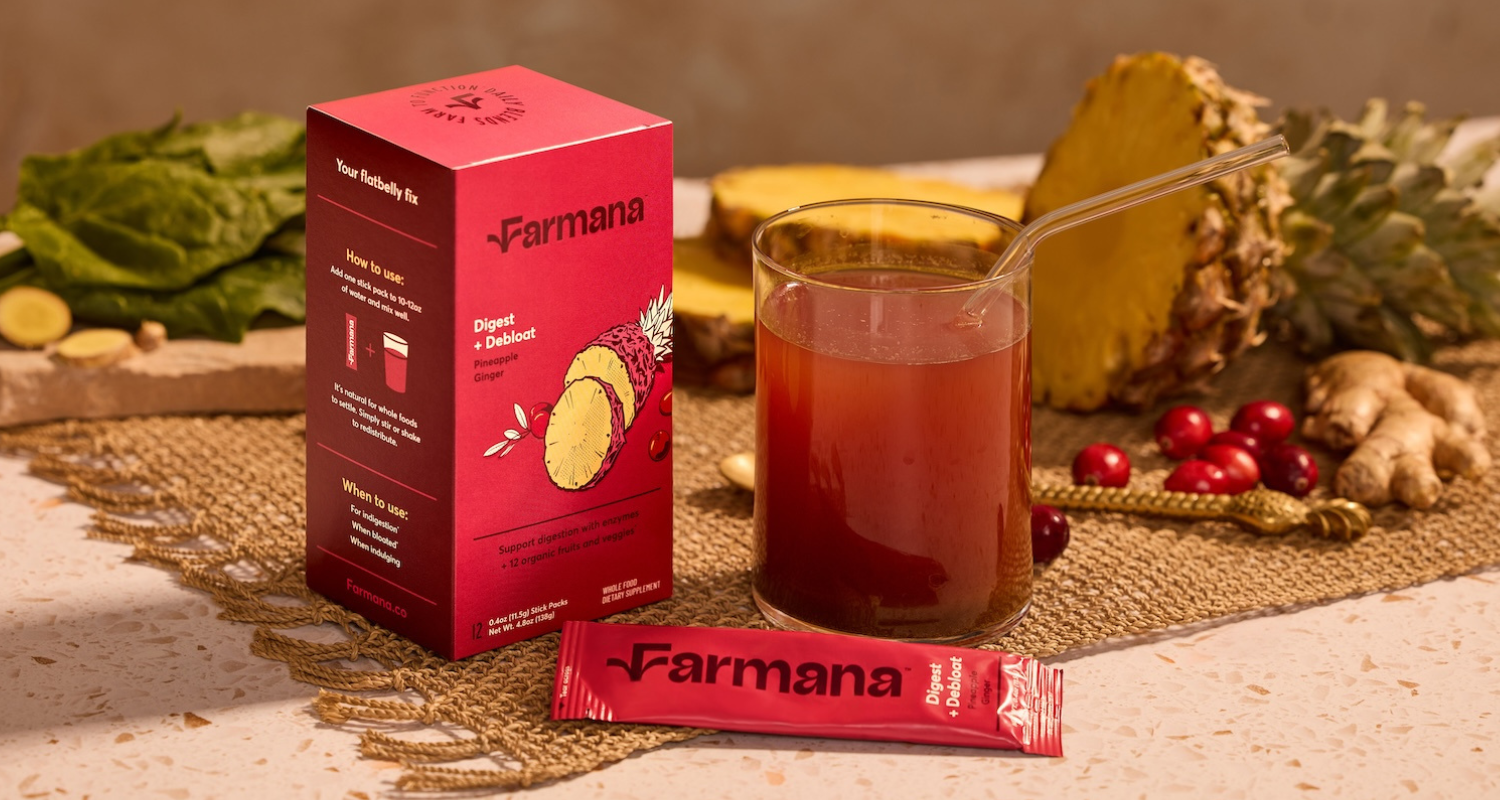
Farmana is committed to creating clean, effective formulas with organic superfoods and functional ingredients that complement a healthy, whole-foods lifestyle. For those seeking targeted mealtime support, the Digest + Debloat blend is formulated with food-based digestive enzymes and soothing botanicals to help break down foods and relieve bloated bellies. Explore the full Digestion & Gut Health collection to see products that meet these rigorous quality standards.
Conclusion: Your Path to a Happier Gut Starts with Real Food
The most effective path to a happier, more comfortable gut begins with consistently prioritizing real, whole foods. Building a resilient and comfortable digestive system is an ongoing journey, and by focusing on a foundation rich in prebiotics, fiber, and beneficial compounds from whole foods, you provide your body with the fundamental tools it needs to thrive. This food-first strategy is the most sustainable and powerful approach for achieving long-term gut balance and wellness.
Indeed, your journey to a healthier, happier gut is most effectively paved with a focus on real food ingredients. Embracing prebiotic fibers, food-based enzymes, soothing botanicals, and fermented foods creates a comprehensive approach that nurtures your microbiome from the inside out.
Ready to experience the difference? Support your real-food journey with Farmana’s Digest + Debloat blend , formulated with the digestive enzymes, soothing botanicals, and prebiotic whole foods discussed in this guide.
FAQs
Q: How can real-food ingredients and superfood blends help with chronic bloating?
A: Real-food ingredients are foundational for reducing bloating. Prebiotic fibers from foods like oats and legumes feed good gut bacteria, while fermented foods like yogurt supply beneficial microbes. Superfood blends can then complement this diet by providing a concentrated source of digestive enzymes to help break down food and soothing botanicals like ginger and peppermint to calm the digestive tract.
Q: How do I choose a superfood blend that complements a real-food diet?
A: To ensure a product complements your diet, prioritize blends made from recognizable, organic whole-food ingredients. Check for clean labels that are free from artificial sweeteners, fillers, and colors. The best choice will align with your food-first principles and offer transparent sourcing and third-party testing for purity and potency.
Q: Are there any natural ingredients that might make bloating worse for some people?
A: While generally beneficial, certain high-FODMAP prebiotics like inulin and fructooligosaccharides (FOS), which can be found in both whole foods like onions and garlic and in concentrated supplements, can exacerbate bloating and gas in individuals with sensitive guts or Irritable Bowel Syndrome (IBS). Always check labels and monitor your body's response.
Q: When should I consult a doctor about my persistent digestive issues?
A: While natural approaches offer great support, it's crucial to consult a healthcare professional if you experience chronic or severe bloating, especially if it's accompanied by abdominal pain, unexplained weight loss, changes in bowel habits, blood in your stool, or if your symptoms persist despite making positive dietary and lifestyle changes.

Author: Ashley Lizotte, MS
Ashley is a co-founder of Farmana with her Masters in Nutrition. She has spent nearly 20 years of her career in the health and wellness industry, working closely with functional medicine practitioners to formulate therapeutic dietary supplements and develop treatment protocols. Ashley spends most of her time perusing the local farmer's markets, perfecting her sourdough, working out, tending to her garden, trying new recipes, and on long walks with her Wirehaired Vizsla, Birdie.


Leave a comment
This site is protected by hCaptcha and the hCaptcha Privacy Policy and Terms of Service apply.