
The Gut-Immunity Connection: Strengthen Your Immune System Naturally
TLDR: The Gut-Immunity Connection
- The Core Mechanism: The gut is the command center of the immune system. The gut microbiome trains immune cells, while Gut-Associated Lymphoid Tissue (GALT) continuously monitors for pathogens.
- The Biological Link: Beneficial bacteria ferment fiber into short-chain fatty acids (SCFAs), which modulate inflammation and fuel immune defense cells.
-
5 Key Strategies for Resilience:
- Prioritize Sleep: Inadequate sleep disrupts the gut-brain-immune axis, increasing susceptibility to infections.
- Nutrient-Rich Diet: Diverse plant fibers act as prebiotics to feed the microbiome, while polyphenols manage inflammation.
- Cultivate the Microbiome: Use probiotics ("seeds") and prebiotics ("fertilizer") to reduce respiratory infections.
- Moderate Exercise: Physical activity increases microbial diversity and SCFA production, strengthening the gut barrier.
- Foundational Hygiene: Practices like handwashing reduce pathogen load, preventing the immune system from becoming overburdened.
- Targeted Support: Key nutrients like Vitamin C, Zinc, and Vitamin D (up to 4000 IU) work synergistically with botanicals like Elderberry and Medicinal Mushrooms to support immune function.
The Powerful Link Between Your Gut and Immunity
The powerful link between your gut and immunity lies in the fact that a significant portion of your immune system resides in your digestive tract, where a balanced microbiome is essential for proper function. This intricate connection means that the health of your gut directly influences your body's ability to defend against pathogens. True immune resilience is not merely about avoiding illness; it's about your body's capacity to mount a swift and effective defense, recover efficiently, and maintain balance. This guide will show you how to naturally boost your immune system by focusing on your gut health.
This article explores the natural, holistic strategies you can use to nurture your gut—the command center of your immune health. We will delve into how everyday choices, from the food you eat to the sleep you get, can fortify your body's defenses from the inside out. By understanding and supporting the gut-immunity axis, you can empower your body to build a more robust and resilient inner shield for lasting wellness.
Why Your Gut is the Command Center of Your Immune Health
Your gut is the command center of your immune health because it is home to a vast and diverse community of microorganisms, known as the gut microbiome, which directly trains and communicates with the majority of your body's immune cells. A healthy, balanced gut microbiome is the foundation for a well-functioning immune system. It plays a critical role in the development and function of both your innate immunity (your body’s first line of defense) and your adaptive immunity (which creates a memory of past invaders), as outlined by the National Institutes of Health (NIH) .
This complex ecosystem of bacteria, fungi, and other microbes does more than just aid digestion. When you consume fiber-rich foods, beneficial bacteria ferment these fibers and produce vital compounds called short-chain fatty acids (SCFAs) . These SCFAs are a primary energy source for the cells lining your colon and are crucial for immune cell function, helping to modulate inflammation throughout the body, according to a 2020 review in Advances in Nutrition .
Furthermore, the physical structure of your gut is designed for immune surveillance. The lining of your intestines contains extensive gut-associated lymphoid tissue (GALT) , which is a key component of the immune system. The GALT continuously samples material from your gut, identifying potential threats and initiating an appropriate immune response. This constant communication between your gut microbes and your immune cells is what makes your digestive system the true command center of your body's defenses.
Five Everyday Strategies to Build a Resilient Immune System
The five key everyday strategies to build a resilient immune system that supports the gut-immunity axis are prioritizing restorative sleep, nourishing your body with a nutrient-rich diet, actively cultivating your microbiome, engaging in moderate exercise, and practicing foundational hygiene. Many people ask, "Can you boost your immune system?" According to experts at Harvard Health , the concept is more about maintaining balance and harmony through healthy living rather than "boosting" it beyond its natural state. This holistic approach mirrors advice from reputable sources like the Mayo Clinic and the CDC on how to keep your immune system healthy. In the following sections, we'll explore each of these impactful daily habits.
1. The Rest-Immunity-Gut Connection: Why Sleep and Stress Management Matter
Restorative sleep and stress management are critical for immune health because both directly impact the balance and integrity of your gut microbiome. Chronic stress and sleep deprivation can trigger hormonal changes, such as increased cortisol, which can disrupt the delicate community of microbes in your gut. This imbalance, known as dysbiosis, can compromise the gut barrier, leading to increased intestinal permeability ("leaky gut") and impaired immune responses.
The connection between rest and resilience is well-documented. For instance, compelling research, such as a 2009 study by Cohen et al. published in Arch Intern Med, shows that inadequate sleep significantly increases your susceptibility to catching the common cold. This effect is partly mediated by the gut-brain-immune axis, where poor sleep disrupts gut health, which in turn weakens your immune defenses.
To counter this, aim for 7-9 hours of quality sleep per night. Simultaneously, incorporating stress-management practices into your routine can help regulate cortisol levels and support gut health. Activities like mindfulness meditation, deep breathing exercises, spending time in nature, or gentle yoga can help calm the nervous system, fostering a more balanced internal environment where both your gut and your immune system can thrive.
2. Nourish from Within: The Power of a Nutrient-Rich Diet
The power of a nutrient-rich diet lies in its dual ability to directly feed your beneficial gut microbes while providing the essential vitamins and minerals your immune cells require to function properly. This broad, whole-food nutrition approach—rich in a diverse array of plant-based fibers from fruits, vegetables, and whole grains—is the most effective way to nurture a healthy gut microbiome essential for robust immune health. These diverse fibers act as general prebiotics, or food for your good bacteria, while colorful plant compounds called polyphenols have antioxidant properties that help manage inflammation.
Deficiencies in key nutrients are known to impair immune responses, making you more vulnerable to infections, as noted by the NIH Office of Dietary Supplements (ODS) . Vitamins like C and D, and minerals like zinc, are particularly important for the production and function of immune cells. A varied diet helps ensure you are getting a broad spectrum of these vital micronutrients.
While a balanced diet is paramount, modern lifestyles can sometimes create nutritional gaps. In these cases, the NIH suggests that a multivitamin can be a practical way to ensure you're meeting your baseline nutrient needs. This foundation of whole-food nutrition is a key part of healthy living to boost the immune system, setting the stage for more targeted strategies for your gut microbiome.
3. The Gut Garden: Nurturing Your Microbiome for Immune Strength
Nurturing your gut microbiome with targeted strategies is a direct path to strengthening your immune system. While a healthy diet provides the broad foundation, specific tactics involving prebiotics and probiotics can provide focused support. You can think of this as actively tending to your internal "gut garden." Probiotics are the "seeds"—beneficial live bacteria—while prebiotics are the targeted "fertilizer" that helps them thrive.
Scientific evidence increasingly supports these gut-focused strategies for immune health. As noted by the NIH about probiotics, they have been studied for their immune-modulating effects. A 2020 meta-analysis that included children, adults, and elderly people found that supplementing with probiotics can help prevent acute upper respiratory tract infections. Furthermore, combining prebiotics and probiotics (a strategy known as synbiotics) may also be effective. A 2022 meta-analysis in Frontiers in Nutrition concluded that synbiotic supplementation could reduce the incidence of respiratory tract infections.
To support your gut garden, you can incorporate targeted ingredients. Farmana's superfood blends are formulated with this principle in mind. Our Immunity + Resilience blend includes Prebiotic Resistant Starch, a specific type of fiber that effectively fuels beneficial gut bacteria, providing a focused way to support your microbiome and, by extension, your immune system.
4. Movement and the Microbiome
Moderate, regular movement is an essential component of overall immunity because it can positively influence the diversity and health of your gut microbiome. Research shows that physical activity promotes a more varied community of gut microbes, and this diversity is a key indicator of a healthy gut. A 2019 review in Nutrients highlights that exercise can increase the production of beneficial short-chain fatty acids (SCFAs), which help regulate immune function and strengthen the gut barrier.
This creates a powerful positive feedback loop: exercise supports a healthier gut, and a healthy gut supports a more resilient immune system that can handle the demands of an active lifestyle. This means that staying active not only benefits your cardiovascular health and mood but also directly contributes to the strength of your internal defenses by fostering a better environment for your microbial allies.
It's important to note that the key is consistency and moderation. Overtraining can act as a physical stressor, temporarily suppressing immune function. Aim for activities you enjoy, such as brisk walking, cycling, swimming, or dancing, for at least 150 minutes per week to reap the gut-supportive and immune-enhancing benefits.
5. Foundational Hygiene and Prevention
While a strong gut-trained immune system is your core defense, foundational hygiene reduces the external pathogen load it has to fight, freeing up resources to maintain internal balance. Constant exposure to germs forces your immune system—and by extension, your gut-immune axis—to be in a constant state of high alert. This can divert energy and resources that would otherwise be used for repair, regulation, and maintaining a healthy gut lining. By practicing good hygiene, you lessen this burden.
Proper handwashing is one of the most effective preventive measures. According to the Centers for Disease Control and Prevention (CDC), good hand hygiene can prevent an estimated 20% of respiratory infections , such as the common cold. This simple act physically removes germs, preventing them from challenging your gut's immune gatekeepers in the first place.
Furthermore, the CDC emphasizes that vaccination is a key tool for preventing many serious infectious diseases. Vaccinations work by training your adaptive immune system to recognize specific, dangerous pathogens. This proactive training prevents major infections that would place immense stress on your entire system, allowing your gut-trained immune system to operate more efficiently against everyday microbial encounters.
When Targeted Nutrients Can Make a Difference: Finding the Best Immune Support Supplements
Beyond foundational lifestyle habits, certain key ingredients found in the best immune support supplements can make a difference by providing targeted support for immune resilience. These nutrients and botanicals are not a substitute for a healthy diet and lifestyle but can work synergistically with them to support both gut and immune health, particularly during times of increased stress or seasonal challenges.
For example, Vitamin C is a well-known antioxidant that plays a crucial role in immune cell function. While it may not prevent the common cold for most people, a Cochrane review on Vitamin C found that regular supplementation may modestly shorten the duration of colds. When considering vitamin C, the NIH ODS Vitamin C fact sheet outlines recommended daily intakes and a tolerable upper intake level for adults to guide safe use.
Similarly, zinc is a mineral that is essential for immune cell development and communication. A 2017 meta-analysis by Hemilä showed that high-dose zinc lozenges, when taken at the onset of symptoms, could shorten the duration of the common cold in some trials. These examples illustrate how specific nutrients can offer targeted support within a broader wellness strategy.
Vitamin D: Understanding Its Role in Immune Function
Vitamin D's primary role in immune function is to help modulate the body's immune responses, and emerging research suggests it may also influence the gut microbiota, further contributing to a balanced immune system. The scientific understanding of its effectiveness for preventing infections is constantly evolving. For years, the evidence has been mixed, with some studies like a 2017 meta-analysis by Martineau et al. finding a small protective effect against respiratory infections, especially in those with a deficiency.
More recently, the largest and most comprehensive analysis to date, the 2025 Lancet Diabetes & Endocrinology vitamin D meta-analysis by Martineau et al., including over 60,000 participants, provided a more nuanced picture, concluding that vitamin D supplementation had little to no effect on preventing most acute respiratory infections in the general population. This underscores that while Vitamin D is essential for overall health, it is not a silver bullet for preventing colds and flu. To ensure adequate levels, it's helpful to understand the NIH guidance on Vitamin D intake, which provides recommended daily amounts and specifies a tolerable upper intake level of 4000 IU for adults, consistent with 2020 IOM recommendations.
Nature's Allies: Elderberry, Medicinal Mushrooms, and Antioxidants
Nature's allies for immune support often work by interacting directly with the gut-immune axis. Many of these botanicals are rich in compounds that support the body’s natural defense systems. For instance, many medicinal mushrooms like reishi, cordyceps, and shiitake are rich in prebiotic fibers like beta-glucans, which can positively influence gut microbes and help modulate immune activity in the gut, as highlighted in a 2021 review in the journal Molecules.
Elderberry has a long history of traditional use, and modern science is beginning to validate this. A 2021 systematic review by Wieland et al. suggests that elderberry supplementation may reduce the duration and severity of cold and flu symptoms, possibly due to its high concentration of antioxidants that support systemic health. While echinacea is also popular, large-scale scientific reviews have found its effects to be modest at best, highlighting the importance of choosing ingredients backed by a growing body of evidence.Navigating the world of supplements can be complex. After understanding the science behind key ingredients, the next step is choosing a product that aligns with a holistic, gut-focused philosophy.
Farmana's Approach: Harmonizing Nature and Science for Immune & Gut Health
Farmana's approach is to harmonize nature and science by thoughtfully combining organic, whole-food superfoods with precisely dosed functional ingredients. We believe in transparency and advise consumers to always look for signs of quality, such as a seal from USP (U.S. Pharmacopeia), which verifies that the product contains the ingredients listed on the label, in the declared amounts, and is free from harmful contaminants. While Farmana products are not USP certified, all our blends are manufactured in a GMP-certified facility and undergo rigorous third-party testing for purity and potency to ensure they meet our high standards for safety and quality.
Our Immunity + Resilience blend is a perfect example of our philosophy in action. It features targeted amounts of Vitamin C, Vitamin D, and Zinc to directly support immune cell function. We pair these with organic elderberry and a medicinal mushroom blend. Critically, it includes Prebiotic Resistant Starch to fuel beneficial gut bacteria, directly supporting the gut-immunity axis.
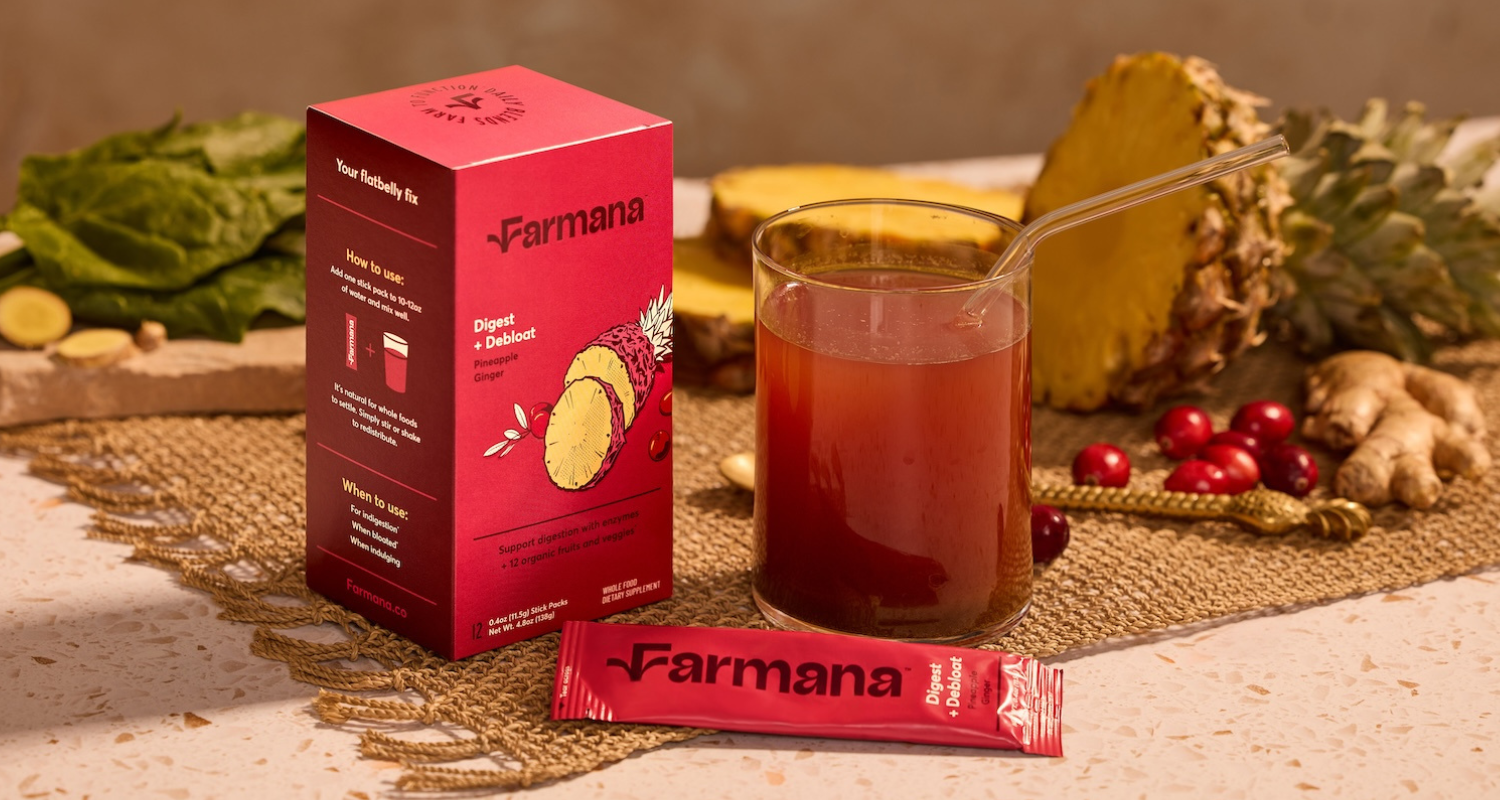
Similarly, our Digest + Debloat blend is specifically formulated to support a calm and healthy gut environment, which is the foundational first step to overall immune resilience. This commitment to clean labels, purposeful ingredients, and synergistic formulations is at the core of Farmana's Farm-to-Function philosophy.
Conclusion: A Holistic Path to Lasting Wellness
Empowering your immunity is a holistic path to lasting wellness that begins with understanding and nurturing the central role of your gut health. A truly resilient immune system is not built overnight with a single product but is cultivated through consistent, daily choices that support your body’s intricate natural defenses.
By summarizing the key pillars—foundational lifestyle habits like restorative sleep, a nutrient-rich diet, moderate exercise, and targeted, high-quality nutritional support—this article reiterates that a comprehensive, gut-focused approach is the most effective strategy. We encourage you to feel empowered by this knowledge, making informed choices that proactively support your well-being. By strengthening the connection between your gut and your immune system, you are taking a powerful step toward fortifying your body's incredible inner shield.
Frequently Asked Questions (FAQ)
Here are answers to some common questions about the gut-immunity connection and how to best support your body's natural defenses.
- What is the difference between prebiotics and probiotics? The primary difference is that probiotics are the beneficial live bacteria themselves, while prebiotics are the specific types of food that help these beneficial bacteria flourish in your gut. Think of probiotics as the "seeds" you plant in your gut garden, and prebiotics as the "fertilizer" that helps them grow. Probiotics are found in fermented foods like yogurt and kefir, while prebiotics are specific types of fiber, like the Prebiotic Resistant Starch in Farmana's blends, that your body can't digest but serve as ideal fuel for your good gut bacteria.
- How long does it take to see benefits for my immune system? Strengthening your immune system is a gradual and ongoing process, not an overnight fix. Building a more resilient defense system is the result of consistent, long-term habits. While you may notice improvements in areas like digestion or energy levels within a few weeks of adopting a healthier lifestyle, the deeper benefits to your immune resilience build over weeks and months of sustained effort.
- Can I take Farmana's Immunity + Resilience every day? Yes, Immunity + Resilience is specifically designed for daily use to provide consistent, proactive support for your gut and immune system. Regular intake helps maintain optimal levels of key nutrients and continuously nourishes your gut microbiome. It can be easily mixed into water, a smoothie, or your favorite beverage to seamlessly integrate into your daily wellness routine.
- Is it possible to "boost" my immune system too much? The term "boosting" can be misleading because a healthy immune system is all about balance, not overactivity. An overactive immune response can lead to inflammation and autoimmune issues. The goal of a healthy lifestyle and supportive nutrition is to modulate, or balance, your immune system. This ensures it has all the resources it needs to function optimally and respond appropriately when needed, rather than putting it into a constant state of high alert.

Author: Ashley Lizotte, MS
Ashley is a co-founder of Farmana with her Masters in Nutrition. She has spent nearly 20 years of her career in the health and wellness industry, working closely with functional medicine practitioners to formulate therapeutic dietary supplements and develop treatment protocols. Ashley spends most of her time perusing the local farmer's markets, perfecting her sourdough, working out, tending to her garden, trying new recipes, and on long walks with her Wirehaired Vizsla, Birdie.


Leave a comment
This site is protected by hCaptcha and the hCaptcha Privacy Policy and Terms of Service apply.