
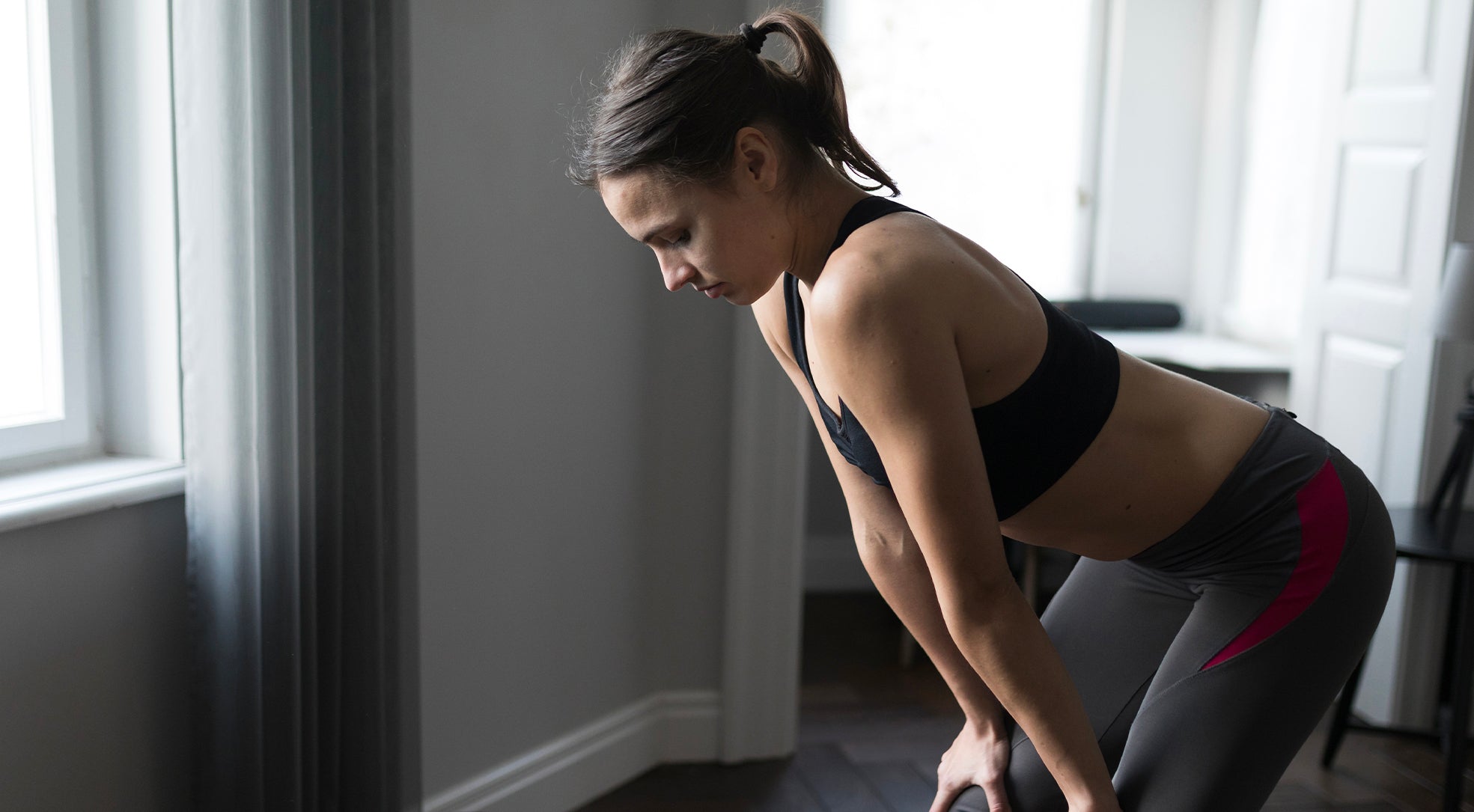
Why Do I Keep Cramping During Workouts?
Key Takeaways
- Muscle cramps are most often caused by muscle fatigue combined with electrolyte loss, not just dehydration.
- Casual exercisers are especially prone because their bodies are still adjusting to higher sweat output and new intensity.
- Sodium, potassium, and magnesium keep muscles contracting and relaxing. When these drop, cramps can follow.*
- Plain water during intense workouts may not be enough to replace what you're sweating out.*
- Charley horses at night are often a delayed sign of mineral loss from the day's workout.
- Most cramps are manageable with better hydration habits, a good warm-up, and gradual progression.
What Actually Causes Muscle Cramps During Exercise?
Muscle cramps happen when a muscle contracts and can't fully relax. That locked-up feeling mid-run or halfway through an F45 class comes down to two things: muscle fatigue and a drop in electrolytes.
Think of electrolytes like a light switch for your muscles. Sodium, potassium, and magnesium flip your muscles on (contraction) and off (relaxation). When you sweat, you lose these minerals. When levels drop, your muscles lose the signal they need to relax and stay switched on.
A 2019 review in Sports Medicine found that exercise-associated muscle cramps involve both neuromuscular fatigue and electrolyte imbalance. Cramps are not random. They are your body signaling something is off.
Why Are Newly Active People Getting Hit the Hardest?
If you just signed up for Hyrox, joined a run club, or started going hard at weekend pickleball, your body is adapting to something new. That's great. It also means your sweat response is still catching up.
People newer to regular exercise often lose more sodium in sweat per session than trained athletes. You're also likely pushing harder than your muscles are used to, which leads to faster fatigue, and fatigue makes cramps more likely.
Common habits that make it worse: chugging plain water instead of an electrolyte drink, skipping warm-ups, jumping into high-intensity classes without building up, working out in the heat without acclimating, and following a low-sodium diet while sweating heavily.
Research published in the Journal of Athletic Training found that electrolyte supplementation alongside hydration was linked to a later onset of muscle cramps compared to water alone. A meaningful difference when you're deep into a workout.
What Do Electrolytes Actually Do for Your Muscles?
Sodium, potassium, and magnesium each play a distinct role in muscle function.
Sodium regulates fluid balance and is lost in significant amounts through sweat. The NIH Office of Dietary Supplements' resource on exercise and athletic performance identifies sodium as central to fluid balance during physical activity.
Potassium carries electrical signals across muscle cells. The NIH Potassium fact sheet notes it's essential for the nerve and muscle signaling gradients that drive contraction and relaxation. Food sources: sweet potatoes, leafy greens, melon, coconut water.
Magnesium helps muscles release after they contract. The NIH Magnesium fact sheet identifies it as a cofactor in more than 300 enzymatic reactions tied to muscle and nerve function. Food sources: nuts, seeds, dark leafy greens.
When all three are in balance, muscles fire and recover cleanly. When any one drops (especially after a sweaty Peloton ride or summer group class), the system gets disrupted.
Why Do Charley Horses Wake Me Up at Night?
That calf cramp jolting you awake at 2 a.m. is usually a delayed result of dehydration or electrolyte loss from hours earlier.
A review in Sports Health notes that both hydration status and neuromuscular fatigue are contributing factors to exercise-associated muscle cramps in recreational athletes. When you push hard and don't fully replenish, the deficit can surface overnight.
The fix is consistent hydration throughout the day, not just during the workout. If you drank only water after a long run, your muscles may still be waiting on the mineral restock they need.
What Actually Fixes Cramps and Keeps Them From Coming Back
Hydrate with electrolytes, not just water. For workouts over 30-45 minutes or in heat, replace what you're sweating out. Don't wait until you're thirsty.
Warm up first. Even 5-10 minutes of light movement before CrossFit or a group class makes cold muscles less likely to seize up.
Build intensity gradually. New to Hyrox or run club? Resist going all-out from week one. Your body needs time to adapt.
Eat enough potassium and magnesium. Sweet potatoes, bananas, leafy greens, nuts, seeds, and coconut water support healthy muscle function.*
Don't cut sodium when sweating heavily. Active people lose sodium through sweat and need more than sedentary people do.
Stretch the cramping muscle. For a calf cramp, flex your foot toward your shin. For a hamstring cramp, straighten the leg.
If you experience frequent or severe cramps, cramps at rest, or cramps with swelling, weakness, or numbness, talk to your healthcare provider. These can sometimes signal an underlying condition.
About Farmana
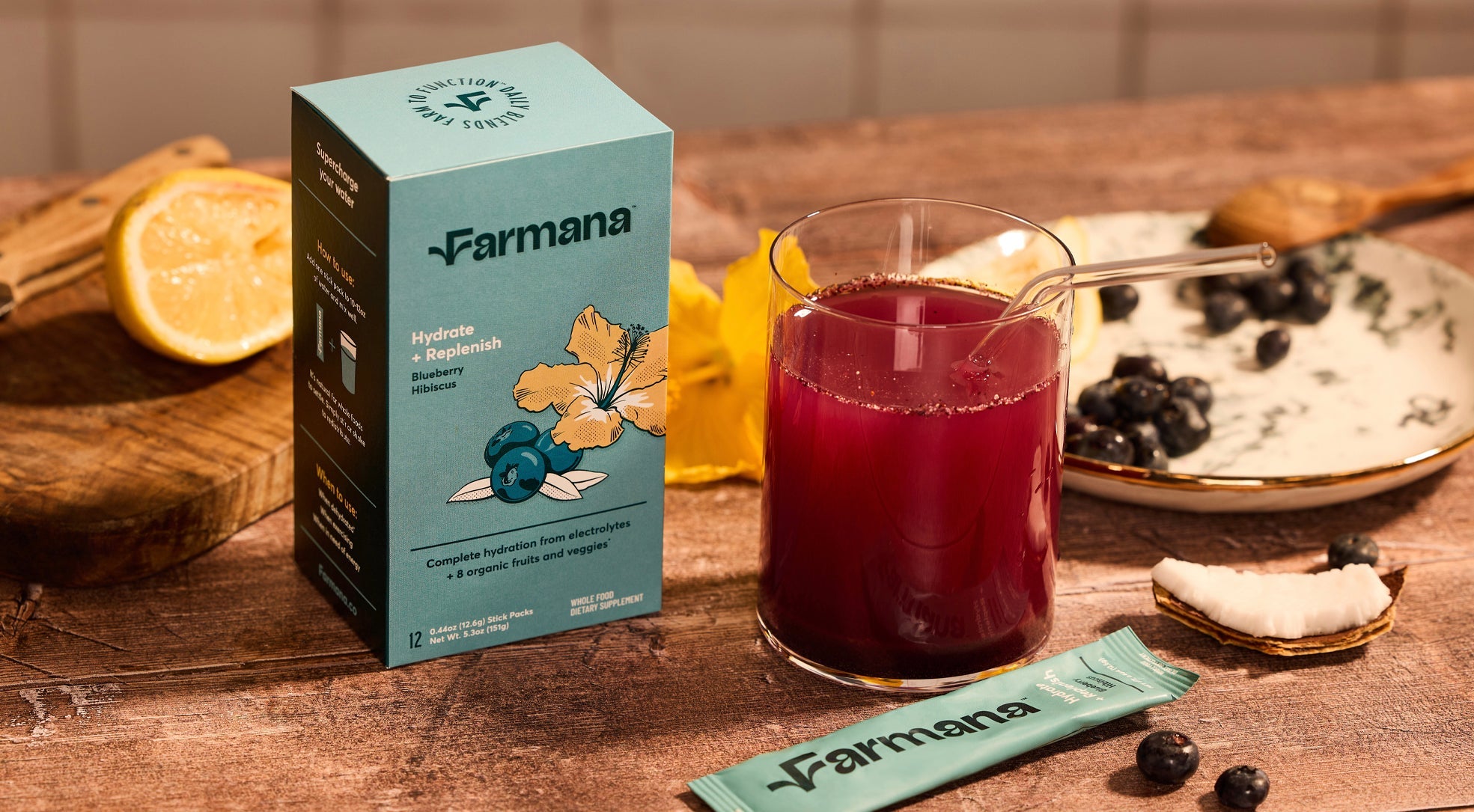
Farmana's Hydrate + Replenish is a whole food functional hydration blend designed to support daily electrolyte balance and cellular hydration.* Each serving delivers 300mg potassium, 140mg sodium, 95mg magnesium, D-Ribose, and 470mg Vitamin C, alongside organic superfoods including wild blueberry, pomegranate juice, coconut water, and goji. No artificial sweeteners, no sugar alcohols. Farm to Function nutrition in a clean, drinkable form made for people who want more from their hydration than plain water can offer.* Gluten-free, dairy-free, soy-free, and Non-GMO.
Frequently Asked Questions
Is it normal to cramp more when I first start working out?
Yes. Newer exercisers lose more sodium per session and fatigue faster than trained athletes. Both raise cramp risk. Cramps ease as fitness and hydration habits improve.
Should I drink a sports drink to stop muscle cramps?
Electrolyte drinks can help, but not all are equal. Many mainstream options are high in sugar and light on actual minerals. What matters is replacing sodium, potassium, and magnesium, the trio that keeps muscles working properly.* Look for balanced electrolytes and minimal additives.
What's the fastest way to stop a cramp mid-workout?
Stop and stretch the cramping muscle. For a calf cramp, flex your toes toward your knee. For a foot cramp, press your foot flat. Once it releases, hydrate and consider whether you've been getting electrolytes alongside water.
Can low magnesium cause muscle cramps?
Magnesium plays a direct role in muscle relaxation. The NIH Office of Dietary Supplements identifies it as a cofactor in processes governing muscle and nerve function. If cramps are frequent, review your magnesium-rich food intake and speak with your healthcare provider.
Why do I get side stitches during runs or group classes?
Side stitches are exercise-related cramping in the diaphragm. They happen when you start too fast, breathe shallowly, or exercise soon after eating. Electrolyte imbalances can contribute. Slow down, breathe deeply, and press gently on the painful spot.
These statements have not been evaluated by the Food and Drug Administration. This product is not intended to diagnose, treat, cure, or prevent any disease.

Author: Ashley Lizotte, MS
Ashley is a co-founder of Farmana with her Masters in Nutrition. She has spent 20 years in the health and wellness industry, working closely with functional medicine practitioners to formulate therapeutic dietary supplements and develop treatment protocols. Outside of her work - where she's deeply immersed in the latest scientific research in health and nutrition - Ashley channels her passion into local farmer's markets, perfecting her sourdough, prioritizing daily workouts, tending her garden, trying new recipes, and taking long walks with her Wirehaired Vizsla, Birdie.
References
- Maughan RJ, Shirreffs SM. Muscle Cramping During Exercise: Causes, Solutions, and Questions Remaining. Sports Med. 2019;49(Suppl 2):115–124. doi:10.1007/s40279-019-01162-1. PMID: 31696455. https://pmc.ncbi.nlm.nih.gov/articles/PMC6901412/
- Jung AP, Bishop PA, Al-Nawwas A, Dale RB. Influence of Hydration and Electrolyte Supplementation on Incidence and Time to Onset of Exercise-Associated Muscle Cramps. J Athl Train. 2005;40(2):71–75. PMID: 15970952. https://pmc.ncbi.nlm.nih.gov/articles/PMC1150229/
- Miller KC, Stone MS, Huxel KC, Edwards JE. Exercise-Associated Muscle Cramps: Causes, Treatment, and Prevention. Sports Health. 2010;2(4):279–283. doi:10.1177/1941738109357299. PMID: 23015948. https://pmc.ncbi.nlm.nih.gov/articles/PMC3445088/
- National Institutes of Health, Office of Dietary Supplements. Potassium: Fact Sheet for Health Professionals. Updated 2022. https://ods.od.nih.gov/factsheets/Potassium-HealthProfessional/
- National Institutes of Health, Office of Dietary Supplements. Magnesium: Fact Sheet for Health Professionals. Updated 2022. https://ods.od.nih.gov/factsheets/Magnesium-HealthProfessional/
- National Institutes of Health, Office of Dietary Supplements. Dietary Supplements for Exercise and Athletic Performance: Fact Sheet for Health Professionals. Updated 2023. https://ods.od.nih.gov/factsheets/ExerciseAndAthleticPerformance-HealthProfessional/

Leave a comment
This site is protected by hCaptcha and the hCaptcha Privacy Policy and Terms of Service apply.