
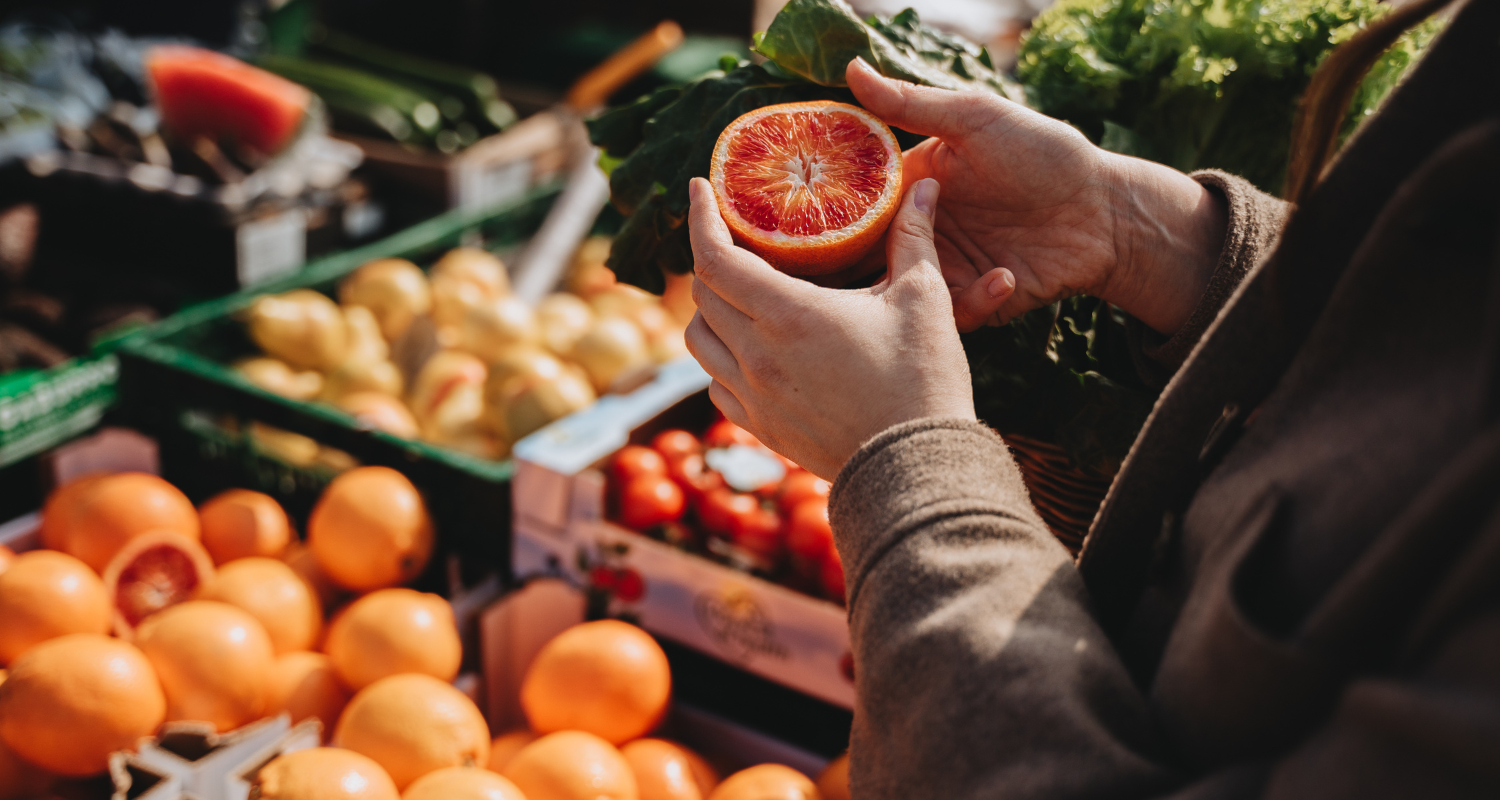
Food as Medicine for Digestion: The Whole-Food Advantage Over Synthetics
TLDR
- The Concept: Adopting a "food as medicine" philosophy means prioritizing whole-food solutions over isolated synthetic compounds for better digestive comfort.
- The Advantage: Whole foods provide a "food matrix"—a complex network of vitamins, minerals, and phytonutrients that work synergistically to support digestion.
- The Powerhouses: Natural ingredients like Papaya (papain), Pineapple (bromelain), and Ginger (gingerol) offer potent enzymatic and soothing benefits.
- The Strategy: To build a thriving microbiome, focus on fermented powders and real-food prebiotics like resistant starch, baobab fruit, and flaxseed rather than synthetic fibers.
Introduction: "Food as Medicine" for Digestive Health - The Whole-Food Advantage
Adopting a "food as medicine" philosophy offers a natural, effective path to digestive comfort by prioritizing whole-food solutions over isolated, synthetic compounds. This approach is built on the understanding that nutrients in their natural state work together to support your body's complex digestive processes. Instead of relying solely on lab-created enzymes or artificial fibers, you can use the inherent power of fruits, vegetables, and botanicals to soothe and strengthen your gut.
This article explores the critical difference between synthetic supplements and those derived from nutrient-rich whole foods. We will delve into how nature packages potent digestive aids within a "food matrix"—a complex network of vitamins, minerals, and phytonutrients that work synergistically. By understanding this distinction, you can make more informed choices for your gut health.
We will introduce you to nature's key digestive aids: enzymes from whole foods, prebiotics from real plant sources, and the benefits of fermentation. Our goal is to equip you to navigate the supplement aisle in 2025, helping you understand why whole food digestive supplements are a powerful choice for supporting your long-term gut health and how to identify high-quality products from a range of trusted brands.
Nature's Digestive Powerhouses: Papaya, Pineapple, Ginger, and More
You can find powerful natural enzyme sources and soothing compounds for effective digestive support in whole foods like papaya, pineapple, and ginger. These ingredients contain substances that help your body break down food more efficiently and calm discomfort. Unlike synthetic alternatives, these sources provide their benefits within a natural complex of vitamins and phytonutrients.
- Papaya: Contains papain, a potent proteolytic enzyme that excels at breaking down tough protein fibers. According to an overview of papain's benefits from Healthline, this action can help ease symptoms like bloating and constipation.
- Pineapple: A rich source of bromelain, another enzyme that aids in protein digestion. For this reason, pineapple bromelain powder is a popular ingredient in high-quality digestive blends, as it supports the body's natural digestive process.
- Ginger: Has been used for centuries to soothe the digestive system. Its active compounds, like gingerol, are known to calm the stomach and may aid in relieving indigestion and feelings of nausea. While not an enzyme, ginger helps create a more favorable environment for smooth digestion.
Important Note: It is important, however, to be aware of potential interactions. According to warnings on WebMD about bromelain, you should consult a healthcare provider before use if you take anticoagulant medications.
The Role of Apple Cider Vinegar
Apple cider vinegar (ACV) is another traditional remedy often associated with digestive health. Proponents suggest it may help with digestion, although scientific evidence for many of its benefits remains limited. A Healthline article on apple cider vinegar notes that while some people find it helpful for issues like indigestion, more research is needed to confirm its effectiveness. It's typically used diluted in water before meals and is also found in some modern digestive powders.
Cultivating a Thriving Microbiome with Fermented Powders and Real-Food Prebiotics
You can cultivate a thriving gut microbiome by using fermented gut health powders and real-food prebiotics, which provide beneficial bacteria and the fuel they need to flourish. Fermentation transforms foods, creating unique enzymes and beneficial microbes (probiotics). When included in powders, these ingredients offer a concentrated dose of gut-friendly compounds.
Prebiotics are non-digestible fibers that feed your good gut bacteria. As Harvard Health explains, these fibers are metabolized by gut microbes to produce beneficial short-chain fatty acids (SCFAs). Instead of synthetic fibers, look for whole-food sources like:
- Resistant Starch: Found in green banana flour, this starch "resists" digestion until it reaches the large intestine, where it acts as a powerful prebiotic.
- Baobab Fruit: This superfruit is rich in pectin, a soluble fiber that promotes the growth of healthy bacteria.
- Inulin: A soluble fiber commonly extracted from chicory root, inulin is a well-known prebiotic. However, as noted in guidance from Monash University, it is a high-FODMAP ingredient and may cause gas or bloating in individuals with IBS.
- Flaxseed: Offering both soluble and insoluble fiber, ground flaxseed provides a comprehensive prebiotic boost.
When incorporating more fiber, it is wise to start slowly. The Mayo Clinic advises increasing your intake gradually and drinking plenty of water to allow your digestive system to adapt.
The "Food Matrix" Advantage: Enhancing Absorption with Whole Foods
The "food matrix" is the complex structure of nutrients, fibers, and bioactive compounds as they exist together in whole foods. Many nutrition experts believe this structure helps your body absorb and utilize key ingredients more effectively compared to isolated synthetic forms. This natural web contains co-factors—like vitamins and minerals—that are often necessary for the primary nutrient to function optimally.
This synergy is a key reason whole-food nutrition is emphasized. For example, the matrix can protect delicate compounds from stomach acid and regulate their release for steady absorption. While direct comparative studies on overall supplement superiority are complex, the foundational science of nutrient synergy within whole foods is well-established. Your body has evolved to process food in its complete form, and its machinery is equipped to recognize and use these natural nutrient packages.
This principle is central to brands that use carefully dried, organic whole fruits and vegetables. By preserving the integrity of the original food, these products aim to deliver nutrition as nature intended. This approach ensures you are getting a spectrum of compounds that work together, rather than a single, isolated molecule that lacks its natural support system.
Smart Choices: A Guide to Identifying Real Food Digestive Powders
To identify truly whole-food-based digestive powders, you must critically examine ingredient lists, enzyme activity, and probiotic guarantees. Becoming a label-literate consumer is the best way to find a high-quality supplement.
- Ingredient Transparency: Look for clear, specific ingredient lists. Brands like Truvani are known for their short, simple ingredient lists derived from whole foods. Be cautious of "proprietary blends" that hide the amounts of individual ingredients.
- Enzyme Activity: True quality is shown when enzymes are listed with specific activity units (e.g., GDU, HUT), not just a milligram weight. This information signals a commitment to potency and efficacy.
- Probiotic Guarantees: When choosing probiotics, understanding CFU counts is key. While many products list CFUs "at time of manufacture," some experts suggest looking for a guarantee "through expiration" as a stronger indicator of quality, as it accounts for potency loss over time. As Harvard Health notes when discussing how to choose a supplement, quality and proper storage are critical for live cultures.
- Whole-Food Sourcing: Prioritize powders that clearly state their ingredients come from whole foods. For specific prebiotic fibers, you might find products like Navitas Organics Baobab Powder or Anthony's Organic Green Banana Flour. For general fiber, brands like Bob's Red Mill (flaxseed meal) and Viva Naturals (psyllium husk) are popular choices. For fermented ingredients, look to brands like Ancient Nutrition, which often incorporates fermented herbs and superfoods into their blends.
- Minimal Additives: Choose products that are naturally sweetened and avoid unnecessary fillers or artificial ingredients. A clean label reflects a commitment to purity.
Cultivating Inner Balance: Your Path to Digestive Harmony with Whole Foods
By choosing whole-food digestive support, you are taking a powerful step toward lasting gut harmony. This approach focuses on building a resilient, balanced internal ecosystem by providing your body with nutrients in a form it readily recognizes. This helps foster a foundation of health from the inside out, moving beyond simply managing symptoms.
We encourage you to be a label-literate consumer and prioritize products with transparent, high-quality sourcing. Question proprietary blends, demand potency guarantees, and look for ingredients you can recognize. Your diligence will be rewarded with products that genuinely contribute to your well-being.
Remember that supplements are intended to enhance—not replace—a balanced diet. A whole-food diet is your foundation, and a high-quality, whole-food supplement can be a powerful tool for achieving the digestive comfort and vitality you deserve.
FAQs
Here are answers to some of the most common questions about whole-food digestive supplements, helping you make informed decisions for your gut health.
Q: Are whole-food digestive enzymes truly better than synthetic ones?
A: Whole-food digestive enzymes, like papain from papaya and bromelain from pineapple, are offered within a natural food matrix of co-factors, which many experts believe allows your body to recognize and utilize them more effectively. These whole food digestive supplements provide a more holistic approach compared to chemically isolated synthetic alternatives.
Q: What's the best way to incorporate prebiotics for gut health?
A: The best way to incorporate prebiotics is through a diet rich in whole-food sources like green bananas, baobab, flaxseed, and other high-fiber fruits and vegetables. When using powders, look for those derived from these natural sources and remember to introduce fiber gradually with plenty of water to avoid discomfort.
Q: How can I tell if a digestive powder is genuinely "whole-food based"?
A: Look for clear ingredient lists that name organic whole fruits, vegetables, and greens, and avoid vague "proprietary blends." For enzymes, check for specific activity units (e.g., GDU, HUT). For probiotics, prioritize products that guarantee CFU counts "at expiration" rather than just "at time of manufacture."
Q: Can I take digestive enzymes and prebiotics together?
A: Yes, many whole-food digestive blends are formulated to provide both enzymes and prebiotics for comprehensive gut support. Enzymes help break down food, while prebiotics nourish a healthy gut microbiome. Always follow your product's specific instructions.
Q: Who should be cautious about certain digestive enzymes or fibers?
A: If you take anticoagulant medications, you should consult a doctor before taking bromelain, as it may affect blood clotting. If you have a sensitive digestive system, such as with IBS, introduce new fibers and prebiotics like inulin gradually to monitor for potential gas or bloating. It's always wise to consult a healthcare professional if you have underlying health conditions.

Author: Ashley Lizotte, MS
Ashley is a co-founder of Farmana with her Masters in Nutrition. She has spent nearly 20 years of her career in the health and wellness industry, working closely with functional medicine practitioners to formulate therapeutic dietary supplements and develop treatment protocols. Ashley spends most of her time perusing the local farmer's markets, perfecting her sourdough, working out, tending to her garden, trying new recipes, and on long walks with her Wirehaired Vizsla, Birdie.
These statements have not been evaluated by the Food and Drug Administration. This product is not intended to diagnose, treat, cure, or prevent any disease.


Leave a comment
This site is protected by hCaptcha and the hCaptcha Privacy Policy and Terms of Service apply.