

A Guide to FODMAP Enzymes: How to Reduce Bloating with Targeted Powders
TLDR: Reducing Bloating with Targeted FODMAP Enzymes
- The Mechanism: FODMAPs are poorly absorbed carbohydrates (like fructans and lactose) that ferment in the large intestine, drawing water into the colon and producing excess gas.
- The Solution: Targeted enzyme therapy is more effective than broad-spectrum blends. Specific enzymes include Alpha-galactosidase for GOS (beans/lentils), Lactase for dairy, and Fructan Hydrolase for wheat, garlic, and onions.
- The Protocol: Timing is critical. Enzymes must be taken with the first bite of a meal to neutralize triggers before they reach the colon. Powdered formulas are often superior to capsules because they integrate immediately with the food.
- Selection Criteria: Choose supplements with Third-Party Testing (e.g., NSF, USP) and labels that list potency in Activity Units (e.g., GalU, ALU) rather than just milligram weight.
Introduction: The Precision of Targeted Enzyme Therapy
Targeted enzyme therapy offers a precise, science-backed way to manage post-meal bloating and digestive discomfort. For many individuals with sensitivities to specific foods, these common frustrations are often triggered by a group of poorly absorbed carbohydrates known as FODMAPs. By using specialized enzymes to break down these specific compounds before they can cause issues, you can effectively reduce bloating fast, along with gas and discomfort, reclaiming a sense of dietary freedom.
This approach moves beyond generic digestive aids to provide a focused solution. Instead of a broad-spectrum formula, targeted therapy uses the right enzyme for the right food, such as lactase for dairy or alpha-galactosidase for beans. This precision allows you to enjoy meals with more confidence, knowing you have a tool specifically designed to address your unique triggers and help reduce bloating fast.
The Science of Bloating: How FODMAPs Cause Digestive Distress
FODMAPs cause digestive distress because they are poorly absorbed in the small intestine and are then rapidly fermented by gut bacteria in the large intestine. This fermentation process is what produces excess gas and draws water into the colon, leading directly to the uncomfortable and often painful symptoms of bloating, abdominal distension, and flatulence.
What Are FODMAPs?
FODMAP is an acronym that stands for Fermentable Oligosaccharides, Disaccharides, Monosaccharides, and Polyols. These are specific types of short-chain carbohydrates that are resistant to digestion for many people. Common foods high in FODMAPs include:
- Oligosaccharides: Includes Fructans (found in wheat, onions, garlic) and Galactooligosaccharides (GOS) (found in beans, lentils, chickpeas).
- Disaccharides: Primarily Lactose (found in milk, soft cheeses, yogurt).
- Monosaccharides: Specifically Fructose, especially in excess of glucose (found in honey, apples, mangoes, high-fructose corn syrup).
- Polyols: Sugar alcohols like sorbitol and mannitol (found in some fruits and vegetables and used as artificial sweeteners).
The Fermentation Process
The fermentation process begins when undigested FODMAPs travel to the large intestine and are consumed by gut bacteria. Because these carbohydrates were not fully absorbed earlier, they arrive largely intact in the colon, where they become a food source for the trillions of bacteria that make up your gut microbiome.
As described by Monash University, the world-leading research center for FODMAPs, these gut bacteria rapidly ferment the FODMAPs. This is a natural process, but the rapid fermentation of these specific carbohydrates produces significant amounts of gas, primarily hydrogen, methane, and carbon dioxide. This gas production is a key driver of bloating and flatulence.
The Result: Gas and Water Retention
The result of FODMAP fermentation is twofold: the rapid production of gas and the retention of excess water in the colon.
- Gas Production: First, the production of gas inside the colon physically stretches the intestinal walls, leading to the sensation of bloating, pressure, and abdominal pain.
- Water Retention: Second, FODMAPs are "osmotically active," meaning they draw water into the intestines. This excess water can contribute further to the feeling of distension and can also lead to changes in bowel habits, such as diarrhea.
The combination of excess gas and water retention is the direct cause of the discomfort experienced by individuals with FODMAP sensitivities.
Targeted Relief: Matching Specific Enzymes to Your Trigger Foods
Precision is key in targeted enzyme therapy because matching a specific enzyme to a specific FODMAP is significantly more effective than using a generic, broad-spectrum blend. Different enzymes are designed to break down different types of carbohydrate chains. Using a targeted enzyme ensures you have a high enough concentration of the right tool to dismantle the specific food molecule causing your discomfort before it can trigger fermentation.
Alpha-Galactosidase for GOS
This highly effective enzyme works by breaking down galactooligosaccharides (GOS), a type of oligosaccharide found in beans, lentils, chickpeas, and cruciferous vegetables like broccoli, cabbage, and Brussels sprouts. Your body naturally lacks the alpha-galactosidase enzyme, which is why these foods are notorious for causing gas.
A well-known example is the Beano alpha-galactosidase product, which provides this specific enzyme. A 2013 study in BMC Gastroenterology confirmed that supplementing with alpha-galactosidase effectively helps break down these complex sugars into simpler, more easily digestible forms, thereby reducing gas and bloating.
Lactase for Lactose
Lactase is the enzyme responsible for breaking down lactose, the primary sugar found in milk and other dairy products. If you have lactose intolerance, your body has a deficiency of this enzyme, meaning you cannot properly digest lactose. Undigested lactose travels to the colon, where it ferments and causes classic symptoms.
Taking Lactaid lactase enzyme tablets is a common way to manage this. Lactase supplements provide the missing enzyme, allowing your body to split lactose into simpler, easily absorbed sugars. Products that incorporate lactase, such as in the targeted enzyme approach used by FODZYME, are helpful for individuals with lactose intolerance who wish to consume dairy.
Fructan Hydrolase for Fructans
Fructan hydrolase is a specialized enzyme that targets fructans, which are a major trigger for many people, particularly those with Irritable Bowel Syndrome (IBS). Fructans are chains of fructose molecules found in a wide range of common foods, including garlic, onions, wheat, rye, and barley.
Much like GOS, your body cannot break down these fructan chains on its own. A targeted enzyme like fructan hydrolase works by cleaving the bonds that hold the fructose molecules together. This process breaks the long, indigestible fructan chain into simple, absorbable fructose units, effectively neutralizing the FODMAP load from fructans before they have a chance to ferment in the colon.
Evidence-Backed Efficacy: What Clinical Research Says About Targeted Enzymes
Clinical studies have clearly demonstrated the effectiveness of specific enzymes for managing FODMAP-related digestive issues. Alpha-galactosidase is well-supported by numerous studies for its ability to significantly reduce gas and bloating caused by oligosaccharides. Similarly, lactase is a scientifically proven and widely accepted solution for managing the symptoms of lactose intolerance.
Emerging Science and Promising Results
Beyond these well-established enzymes, promising new research is validating the efficacy of newer, more specialized enzymes. For example, recent in-vitro studies simulating the human gastrointestinal environment have shown that fructan hydrolase can effectively break down fructans.
One such study highlighted by FODZYME suggests that their targeted fructan hydrolase can be effective at dismantling fructan chains in a high-fidelity gut model. This type of research provides strong evidence that the enzyme works as intended, preventing the fermentation that leads to symptoms.
Making Informed Choices
To make an informed choice, you should prioritize targeted enzymes with specific clinical support over broad-spectrum blends that may lack evidence for FODMAP-related symptoms. While "all-in-one" formulas may seem appealing, they often do not contain the right type of enzyme or a high enough dose of a specific enzyme to be effective against a significant FODMAP load. Choosing a product with enzymes proven to target your specific trigger foods is a more reliable and evidence-based approach to finding relief.
Optimal Use: Timing and Dosing for Maximum Enzyme Effectiveness
For maximum enzyme effectiveness, you should take enzyme supplements immediately before or with the very first bite of a meal. This timing is critical because it allows the enzymes to mix with the food in the stomach and begin breaking down trigger carbohydrates right away. As Harvard Health explains, this immediate action is key to neutralizing FODMAPs before they can travel to the colon and ferment.
The Power of Powdered Formulas
Some users find that powdered enzyme formulas offer an advantage over capsules, particularly for targeting fructans. Because powders can be sprinkled on and mixed directly into your meal, they ensure the enzymes are thoroughly integrated with the trigger carbohydrates from the very start.
For example, when eating a pasta dish with a garlic-infused sauce, mixing a fructan hydrolase powder into the sauce allows the enzyme to immediately begin working. This direct-contact method is a key component of how powdered enzymes are integrated into meals.
Personalized Dosing and Symptom Tracking
To find your optimal dose, you should start with the manufacturer's recommendation and adjust based on your body's response, using a journal to track symptoms and identify triggers. For a larger portion of a trigger food, you may need a slightly higher dose of the enzyme. By noting the food you ate, the dose of enzyme you took, and how you felt afterward, you can identify your specific triggers and fine-tune your enzyme strategy for consistent relief.
Safety First
While targeted enzymes are generally safe for most people, it is always wise to consult a healthcare professional before starting any new supplement regimen. This is especially important if you have persistent digestive issues, are pregnant or breastfeeding, or have underlying health conditions. A professional can help you rule out more serious issues and ensure that enzyme therapy is the right choice for your needs.
How to Choose a Clean, High-Quality Targeted Enzyme Powder for FODMAPs
When choosing a high-quality enzyme powder for FODMAPs, you should look for products that have been subjected to third-party testing from independent organizations. Seals from groups like USP (U.S. Pharmacopeia), NSF International, or ConsumerLab.com verify that the product contains what the label claims and is free from harmful levels of contaminants. While many brands offer various enzyme products, this independent verification provides a crucial layer of quality assurance and trust.
Read the Ingredient List Carefully
When reading the ingredient list, you should check that enzyme activity is declared in specific units (e.g., GaIU for alpha-galactosidase, ALU for lactase) rather than just weight, as the activity unit is the true measure of potency.
You should also scrutinize the "other ingredients" section to ensure there are no unnecessary fillers, binders, artificial sweeteners, or common allergens like gluten, soy, or dairy. The fewer extra ingredients, the better.
Demand Brand Transparency
You should choose companies that are transparent about their entire process, openly sharing information about ingredient sourcing and manufacturing standards, such as operating in a GMP (Good Manufacturing Practices) certified facility.
Some brands may even provide a Certificate of Analysis (COA) for their products upon request, which is a document that details the results of quality control testing for a specific batch. This level of transparency is a strong indicator of a brand's commitment to quality and safety.
Align with Your Health Values
You should select a clean, plant-based enzyme powder that aligns with your health values, ensuring your supplements meet the same standards as your food. If you prioritize eating organic, non-GMO foods, it only makes sense to apply the same standards to your supplements. Choosing a clean-label product ensures you are not inadvertently consuming unwanted synthetic additives, which supports your overall health goals.
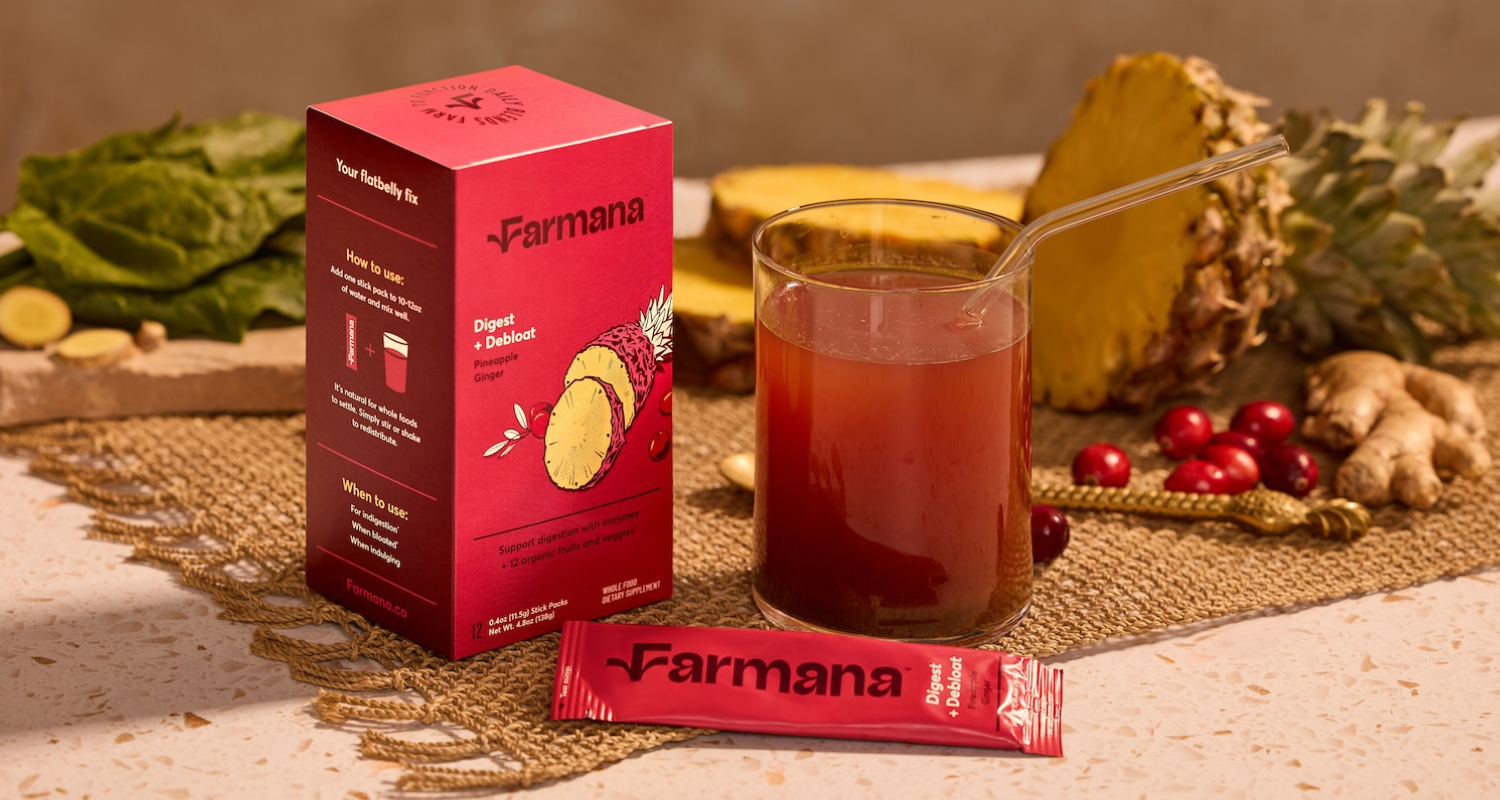
Farmana's Digest + Debloat: A Targeted, Clean-Label Solution
Farmana's Digest + Debloat is thoughtfully formulated to provide targeted digestive support by combining powerful functional ingredients with organic, whole-food-based superfoods. This blend is designed not just to alleviate discomfort but to actively support a healthy and resilient digestive system, helping you feel your best after every meal.
A Commitment to Clean and Pure Ingredients
Our unwavering commitment to clean-label products means that Digest + Debloat is crafted without compromise. The formula is gluten-free, dairy-free, soy-free, and non-GMO. We use natural sweeteners and avoid all unnecessary fillers, binders, and artificial additives. This purity ensures that you are nourishing your body with only the beneficial ingredients you need for effective digestive support.
Support Your Holistic Wellness Goals
Incorporating Digest + Debloat into your routine is a convenient and effective way to manage digestive comfort and reduce bloating. It is an ideal tool for anyone seeking to enhance their well-being through a holistic, plant-based lifestyle. By providing targeted support where you need it most, this blend helps you maintain digestive harmony so you can focus on living a vibrant, active life.
Conclusion: Take Control of Your Digestive Comfort
Targeted enzyme therapy offers a precise, powerful, and evidence-based strategy for managing the bloating and discomfort caused by FODMAP sensitivities. By understanding how specific enzymes work to break down your personal trigger foods, you can make informed choices about your diet and supplements. A high-quality, clean-label enzyme powder can be a transformative tool, allowing you to broaden your diet and enjoy a wider variety of nutritious foods with comfort.
Empower your digestive comfort and explore Farmana's Digest + Debloat blend for targeted, clean-label support that aligns with your health goals.
Frequently Asked Questions
Q: What's the difference between a targeted enzyme and a broad-spectrum digestive enzyme?
A: Targeted enzymes, like lactase or alpha-galactosidase, are designed to break down one specific type of carbohydrate (lactose or GOS, respectively). Broad-spectrum formulas contain a mix of many different enzymes and may not provide a high enough concentration of the specific one needed for a particular FODMAP trigger, making them less effective for known food sensitivities.
Q: How quickly do FODMAP enzymes work?
A: Enzymes begin working as soon as they come into contact with their target food. This is why it is crucial to take them with the first bite of your meal, so they can act on the trigger carbohydrates in the stomach and small intestine before they have a chance to cause issues.
Q: Can I take digestive enzymes every day?
A: Targeted enzymes are generally considered safe for daily use with meals that contain your trigger foods. However, if you experience persistent digestive issues, it's always best to consult with a healthcare provider to rule out any underlying conditions and ensure this is the right approach for you.
Q: Why is a powder better than a capsule for some enzymes?
A: Powders can be mixed directly into food, which is particularly effective for enzymes like fructan hydrolase that need to integrate with the meal to break down problem compounds like fructans in garlic or onion. This ensures the enzyme is exactly where it needs to be to start working immediately, whereas a capsule needs time to dissolve.

Author: Ashley Lizotte, MS
Ashley is a co-founder of Farmana with her Masters in Nutrition. She has spent nearly 20 years of her career in the health and wellness industry, working closely with functional medicine practitioners to formulate therapeutic dietary supplements and develop treatment protocols. Ashley spends most of her time perusing the local farmer's markets, perfecting her sourdough, working out, tending to her garden, trying new recipes, and on long walks with her Wirehaired Vizsla, Birdie.

%20that%20ferme...)
Leave a comment
This site is protected by hCaptcha and the hCaptcha Privacy Policy and Terms of Service apply.