
Why Fiber Is the Most Underrated Nutrient in Your Diet (And How to Actually Get Enough)
Key Takeaways
-
Fiber does way more than keep you regular. It feeds your gut microbiome, may support healthy blood sugar levels already within the normal range, signals fullness, and may influence mood and immune function — all from the same humble nutrient.
-
Most of us are dramatically under-eating fiber. Over 90% of women and 97% of men in the U.S. fall short of the recommended daily intake of 25–38 grams, with the average American getting only about 15 grams a day.
-
There are two main types of fiber — and you need both. Soluble fiber slows digestion, may help support normal blood sugar balance, and produces short-chain fatty acids that feed your gut bacteria. Insoluble fiber adds bulk, keeps things moving, and supports gut wall integrity.
-
Prebiotic fiber is the "food" your good gut bacteria survive on. When beneficial bacteria ferment prebiotic fiber, they produce short-chain fatty acids (SCFAs) like butyrate — powerful molecules that may support immunity, may help reduce normal inflammatory responses, and communicate with your brain.
-
You don't have to overhaul your entire diet. Gradual, strategic increases in fiber-rich whole foods — combined with adequate hydration — can meaningfully shift your gut health over weeks, not years.
- Farmana's Digest + Debloat contains 4g of FiberSMART Tapioca Fiber plus natural fiber from whole food superfoods like papaya, pineapple, ginger, and fennel — making it a convenient way to add clean, prebiotic-rich fiber to your daily routine.
The Nutrient Everyone Ignores (Until Their Gut Has Had Enough)
Let's be honest: fiber doesn't exactly win the marketing wars. It doesn't have the cultural cachet of protein, the biohacker appeal of creatine, or the social media mystique of magnesium. It's the humble, un-glamorous nutrient you heard about from your grandmother.
But in 2026, that's changing fast.
The "fibermaxxing" trend — which encourages people to intentionally hit or exceed daily fiber recommendations — has exploded across social media, driven largely by Gen Z's obsession with gut health and the growing awareness that what happens in your digestive tract affects everything from your energy to your skin to your mood. According to Johns Hopkins Center for a Livable Future, fiber is on track to rival protein as the trending nutrient of 2026 — with EatingWell reporting a 9,500% increase in page views on fiber-related content. And CNN Business notes that 52% of consumers expressed interest in trying fibermaxxing after learning about it.
Here's the thing: the science has always backed the hype. We're just finally paying attention.
In this article, we're breaking down everything you need to know about fiber — what it actually does in your body, why most people aren't getting nearly enough, the critical differences between types of fiber, and how to actually increase your intake without bloating yourself into misery. Because when it comes to your health, fiber is one of the most underrated things you may be overlooking.
What Fiber Actually Does in Your Body (Beyond Keeping You Regular)
Most people think of fiber the way they think of a plumber — something you call on when there's a problem with the pipes. But that's a wildly reductive view of one of the most biologically active components in our food.
Fiber Feeds the Ecosystem Inside You
Your gut is home to roughly 100 trillion microorganisms — bacteria, fungi, and archaea that collectively form what scientists call the gut microbiome. This internal ecosystem is so critical to your health that it's sometimes referred to as a "forgotten organ." And it is almost entirely dependent on one primary food source: dietary fiber.
Here's why this matters. Unlike most nutrients, fiber isn't digested in your small intestine. It travels intact to your large intestine, where your gut bacteria ferment it and use it as fuel. In exchange, they produce short-chain fatty acids (SCFAs) — particularly butyrate, acetate, and propionate — that have far-reaching effects throughout your body.
According to a 2022 review in Microorganisms, higher fiber intake consistently enriches the populations of beneficial bacteria like Bifidobacterium, Faecalibacterium prausnitzii, and Ruminococcus — all linked to lower inflammation, healthier metabolism, and a more resilient gut lining. A 2024 study in Frontiers in Nutrition showed that both green banana fiber and pineapple fiber supplementation significantly elevated beneficial bacterial species and improved bowel health and metabolism within just 14 days.
When you don't eat enough fiber? Those beneficial bacteria start to starve — and research published in iMeta found that microbiota disturbances from low fiber intake are associated with over 1,600 disease associations in the research literature, from inflammatory bowel disease to metabolic conditions.
Fiber and Blood Sugar: The Underrated Relationship
One of fiber's most studied — and underappreciated — roles is its effect on blood glucose levels within the normal range. Soluble fiber forms a viscous gel in your digestive tract that physically slows down the absorption of sugars. The result? More gradual post-meal blood sugar response, lower insulin demand, and more stable energy throughout the day.
A 2025 systematic review in Cureus analyzing randomized controlled trials found that dietary fiber interventions were associated with improvements in fasting plasma glucose, HbA1c, postprandial glucose levels, and insulin sensitivity across study participants — with secondary findings including reduced body weight and improved lipid profiles in some studies.
Note on dosage context: The studies cited in this section used fiber interventions at doses substantially higher than the 4g provided by Digest + Debloat per serving. The science described above reflects population-level dietary fiber research; results from these studies should not be attributed to this specific product at this specific dose.
Fiber also stimulates the release of GLP-1 (glucagon-like peptide-1) — a satiety hormone that is also the target of a popular class of weight management medications. As Food Business News reports, soluble fiber can naturally stimulate GLP-1 and PYY (peptide YY) production after meals, promoting feelings of fullness and supporting normal blood sugar balance. Fiber-rich diets are increasingly discussed in nutrition research as a complementary dietary strategy alongside medical weight management approaches — not as a substitute for them.
Fiber Keeps You Fuller, Longer
The satiety piece is real and well-documented. Soluble fiber slows gastric emptying — meaning food literally sits in your stomach longer, sending sustained fullness signals to your brain. This is why high-fiber meals tend to result in lower calorie intake at the next meal.
A systematic review and meta-analysis published in Foods confirmed that soluble dietary fiber supplementation was associated with increased perceived satiety and reduced energy intake in healthy adults in study settings. And a 2023 randomized crossover trial published in Nutrients found that a specific dietary fiber elevated GLP-1 levels significantly higher than pectin — demonstrating that different fiber types can have different satiety mechanisms.
Fiber and Immune Function
Roughly 70% of your immune system lives in or around your gut. This isn't a coincidence — it's a design feature. The intestinal immune system is your first line of defense against pathogens that enter through your food and drink.
Your gut microbiome is deeply intertwined with this immune network. The SCFAs produced from fiber fermentation — particularly butyrate — play an important role in immune regulation.
Research published in Nature Immunology shows that SCFAs help modulate immune tolerance, help regulate normal inflammatory responses, and support the integrity of the gut epithelial barrier. When the gut lining is healthy and intact, it acts as a selective fortress — letting nutrients in and keeping pathogens out.
A 2022 review in Critical Reviews in Food Science and Nutrition specifically highlighted how insoluble dietary fibers like cellulose, hemicellulose, and resistant starch "induce gut immunity, improve intestinal integrity and mucosal proliferation, and favor adhesion of probiotics."
Bottom line: when your fiber intake is low, your gut bacteria may be undersupported, SCFA production may drop, and your gut lining and normal immune function may be affected.
Fiber and the Gut-Brain Axis
Here's where things get genuinely fascinating. Your gut and brain are in constant, bidirectional communication through a complex network of nerve fibers, hormones, and immune signals collectively called the gut-brain axis. And your gut microbiome — which is directly shaped by fiber intake — plays an active role in this conversation.
The SCFAs produced from prebiotic fiber fermentation may be able to cross the blood-brain barrier and influence brain chemistry. A 2023 study in Frontiers in Neuroscience found that a high-pectin fiber diet increased hippocampal BDNF (brain-derived neurotrophic factor) — a protein associated with cognitive function and emotional regulation — while simultaneously reducing neuroinflammatory markers like TNF-α and IL-6 in study animals.
A 2021 systematic review protocol in Gut Microbiome noted that fiber-induced microbiota changes may specifically affect neuroactive metabolites and "gut-brain modules," with researchers exploring fiber's potential role in mood, stress resilience, and cognitive performance. And research published in Frontiers in Nutrition suggests that prebiotic fiber, by supporting beneficial gut bacteria, may support conditions associated with the production of GABA, serotonin, and dopamine — the neurotransmitters most associated with mood and focus.
We're not saying a high-fiber diet will treat mood conditions, but the emerging science is pointing toward something interesting: your gut and your brain communicate constantly, and fiber is one part of how you support that relationship.
How Much Fiber Do You Actually Need?
The Dietary Guidelines for Americans recommend:
- Women: 25 grams per day
- Men: 38 grams per day
- General guidance: 14 grams per 1,000 calories consumed
According to UCLA Health, over 90% of women and 97% of men in the U.S. fail to hit these targets. Most adults average around 15 grams per day — barely half the recommended amount.
The NIH's American Journal of Lifestyle Medicine has called this the "fiber gap," noting that inadequate fiber intake has been listed as a "nutrient of public health concern" in the Dietary Guidelines for Americans since 2005. The economic implications are significant: the same research estimates that increasing fiber intake by just 9 grams per day could save $12.7 billion annually in constipation-related healthcare costs alone — and that's without counting the downstream effects on metabolic health, cardiovascular health, and immune function.
According to Harvard Health, adequate dietary fiber intake is associated with lower risk of cardiovascular disease, certain cancers, type 2 diabetes, and a microbiome profile that supports immune function and lowers systemic inflammation — based on large population studies of overall dietary fiber consumption, not supplementation.
Soluble vs. Insoluble Fiber: Why Both Types Matter
Fiber is not a single substance — it's a broad category of non-digestible carbohydrates that differ in structure, behavior, and health benefits. The two main types are soluble and insoluble fiber, and your body benefits from a healthy balance of both.
Comparison Table: Soluble vs. Insoluble Fiber
Property |
Soluble Fiber |
Insoluble Fiber |
|---|---|---|
Dissolves in water? |
Yes — forms a gel |
No — retains structure |
Primary function |
Slows digestion, may support normal blood sugar balance, feeds gut bacteria |
Adds bulk, speeds transit time, gut wall support |
Where it's fermented |
Large intestine (SCFA production) |
Minimal fermentation |
Best known for |
Normal blood sugar support, satiety, microbiome support |
Bowel regularity, digestive comfort |
Key food sources |
Oats, beans, lentils, apples, psyllium, flaxseed, tapioca fiber |
Whole wheat bran, vegetables (especially skins), nuts, seeds |
Effect on digestion |
Slows gastric emptying |
Speeds up intestinal transit |
Gut microbiome impact |
High — primary prebiotic effect |
Moderate — indirect support via transit |
Soluble fiber is the star of the satiety and normal blood sugar support story. When it hits water in your stomach, it forms a viscous gel that slows everything down — sugar absorption, gastric emptying, and transit of food from your stomach to your small intestine. This gel also serves as the primary food source for your gut bacteria, making it the key driver of SCFA production and microbiome diversity.
Insoluble fiber is the unsung hero of gut structural health. It doesn't dissolve, doesn't form a gel, and doesn't feed your bacteria much — but it adds bulk to stool, shortens transit time through your colon, and supports the structural integrity of your intestinal walls. Adequate insoluble fiber intake is associated with reduced risk of diverticular disease and chronic constipation in population studies. A 2022 review in Critical Reviews in Food Science and Nutrition confirmed that insoluble fibers improve intestinal integrity and immune adhesion in the gut lining.
Most people don't need to track soluble vs. insoluble fiber separately. The practical guidance: eat a variety of whole plant foods — fruits, vegetables, legumes, whole grains — and you'll naturally get a healthy balance of both.
What Is Prebiotic Fiber? (And Why It's Different From Probiotics)
The terms "prebiotic" and "probiotic" are often used interchangeably in wellness spaces, but they're fundamentally different things.
- Probiotics are live bacteria you introduce into your gut (think yogurt, kefir, kombucha).
- Prebiotics are the food that feeds those bacteria — and your existing beneficial microbes.
Prebiotic fiber is a specific category of fiber that is selectively fermented by beneficial bacteria in the colon. Rather than feeding all bacteria indiscriminately, prebiotic fibers preferentially nourish strains like Bifidobacterium and Lactobacillus — the "good guys" associated with healthy digestion, normal inflammatory responses, and robust immune function.
Common prebiotic fiber types include:
- Inulin and FOS (fructooligosaccharides) — from chicory root, garlic, onions
- Beta-glucan — from oats and barley
- Pectin — from fruit skins and apples
- Resistant starch — from green bananas, cooked-and-cooled potatoes and rice
- Resistant dextrin (tapioca fiber) — a particularly well-tolerated prebiotic fiber derived from tapioca starch
An important distinction: not all prebiotics are equal in terms of tolerance and placement in the gut. Tapioca-derived resistant dextrin, for example, ferments more slowly than inulin or FOS, feeding bacteria throughout both the end of the small intestine and the full length of the colon. This slower fermentation is why tapioca fiber rarely causes the gas or bloating that faster-fermenting prebiotics like inulin can trigger — making it a gentler option, especially for people who already have digestive sensitivity.
Farmana's Digest + Debloat contains 3.3g of FiberSMART Tapioca Fiber (part of the 4g total fiber in the blend) — a well-studied, organic resistant dextrin that provides prebiotic support while being easy on the gut. It's paired with whole food superfoods like papaya (900mg), pineapple (720mg), ginger (540mg), and fennel seed — all of which contribute additional natural fiber and digestive support compounds. That visible sediment when you mix it? That's the real whole food fiber doing its thing. A quick shimmy of your cup and you're good to go.
Fiber and the "Fibermaxxing" Trend: What's Actually Worth Your Attention in 2026
The "fibermaxxing" trend is everywhere in 2026, and for once, the viral nutrition trend actually has solid science behind it.
Healthday News (via Powers Health) reported that researchers are welcoming the trend, with Tufts University scientist Jennifer Lee noting that inadequate fiber is linked to higher risks of heart disease, diabetes, obesity, and even certain cancers in population research. "Overall, adding fiber to your diet tends to bring wide health benefits," she said.
UCLA Health's senior dietitian Yasi Ansari, RDN, echoes this: "It's definitely a trending term that basically is encouraging people to increase fiber intake — which most of us actually need to do."
The nuanced take: "fibermaxxing" shouldn't mean aggressively slamming as much fiber as possible starting tomorrow. The key word is gradual. A sudden surge in fiber — especially from unfamiliar sources — can trigger gas, bloating, and cramping as your gut bacteria adapt. The smarter approach is a slow ramp-up over 2–4 weeks, paired with plenty of water.
Here's why the trend matters beyond the buzz: the gut health revolution is fundamentally reshaping how health-conscious people think about food. The connection between digestive health and outcomes in mood, skin, energy, immune function, and even cognitive performance is an active area of ongoing research — and fiber is the thread running through all of it.
Practical Ways to Increase Fiber Without Wrecking Your Gut
Getting from 15 grams to 25–38 grams per day is a meaningful jump. Here's how to do it without turning your digestive system into a protest.
1. Add Fiber at Breakfast First
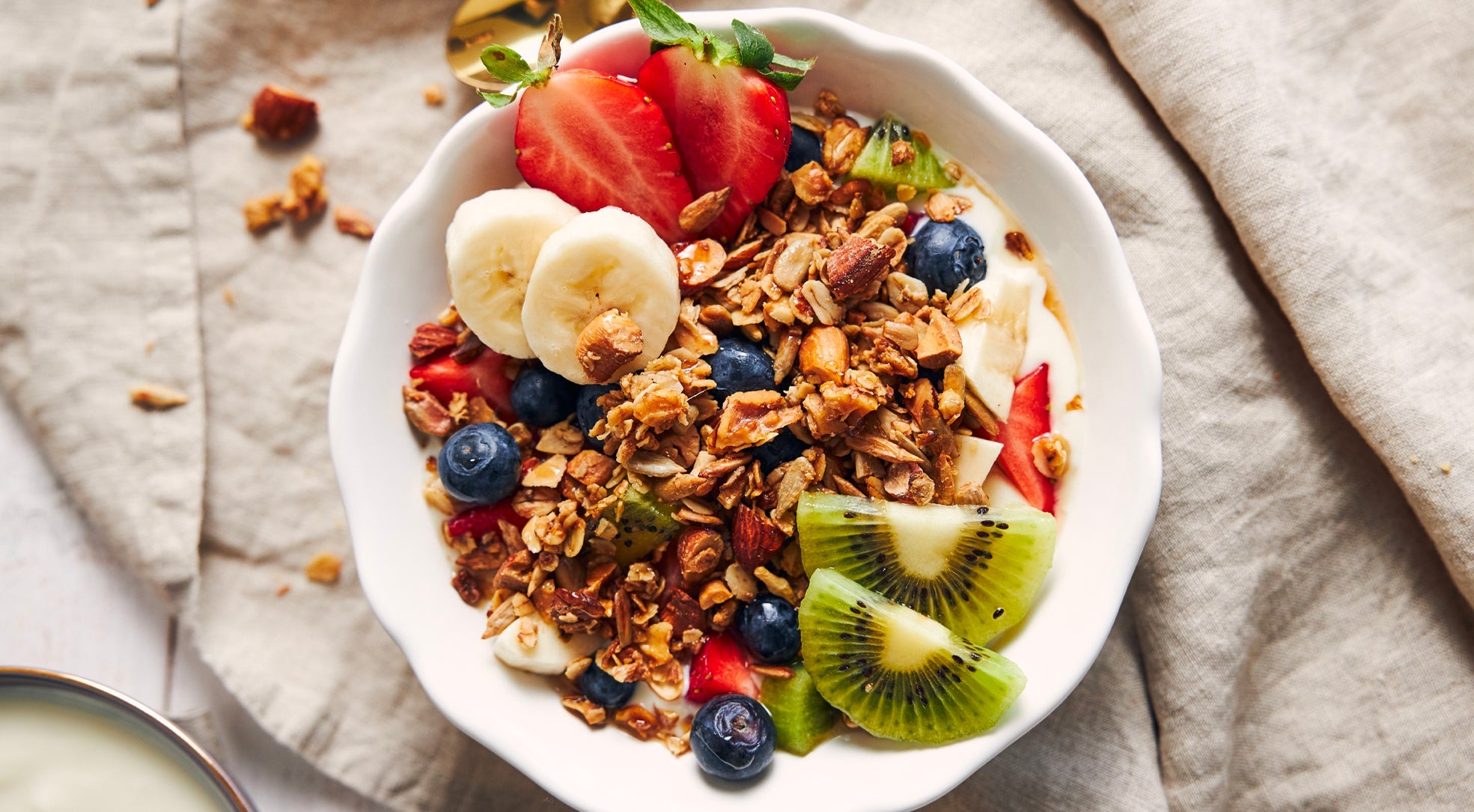
Breakfast is the easiest entry point. Swap refined cereals for oats or whole grain alternatives. Add chia seeds or ground flaxseed to yogurt or smoothies. Throw in berries — they're shockingly high in fiber per calorie.
2. Eat the Skin
Most of the fiber in fruits and vegetables is in or just below the skin. Apples, pears, cucumbers, zucchini, sweet potatoes — don't peel them.
3. Go Beans Early and Often
Legumes — lentils, chickpeas, black beans, white beans — are among the most fiber-dense foods on the planet, with 6–9 grams per half-cup cooked. A few servings per week makes a measurable difference. They also contain resistant starch, giving you prebiotic benefits on top of structural fiber.
4. Swap and Upgrade Your Grains
Brown rice instead of white. Quinoa instead of couscous. 100% whole wheat bread instead of refined white. The difference in fiber content is significant: brown rice has 3.5g of fiber per cup vs. white rice's 0.6g.
5. Snack Smart
Almonds, walnuts, edamame, carrots with hummus — all high-fiber, portable snack options that contribute meaningfully to your daily intake without requiring a meal plan overhaul.
6. Increase Slowly + Drink More Water
The most important rule: don't add 20 grams of fiber overnight. Increase by 3–5 grams per week and double your water intake as you go. Insoluble fiber needs water to work properly, and soluble fiber needs water to form its beneficial gel.
7. Consider a Convenient Whole-Food Fiber Source
Sometimes getting enough fiber through food alone is a challenge — especially on busy mornings or travel days. This is where a thoughtfully formulated product can help fill the gap. Farmana's Digest + Debloat combines 4g of prebiotic-rich FiberSMART Tapioca Fiber with digestive enzymes, papaya, ginger, fennel, and other whole food ingredients in a 30-calorie functional drink — making it a convenient, clean-label complement to an already solid diet. It's not a shortcut; it's a practical tool for the days when life doesn't cooperate with your meal planning.
Top High-Fiber Foods to Prioritize
Food |
Serving |
Fiber (g) |
|---|---|---|
Split peas (cooked) |
1 cup |
16g |
Lentils (cooked) |
1 cup |
15.6g |
Black beans (cooked) |
1 cup |
15g |
Avocado |
1 medium |
10g |
Chia seeds |
2 tbsp |
10g |
Raspberries |
1 cup |
8g |
Broccoli (cooked) |
1 cup |
5.1g |
Oats (cooked) |
1 cup |
4g |
Apple (with skin) |
1 medium |
4.4g |
Almonds |
1 oz (23 nuts) |
3.5g |
Fiber Myths We Need to Put to Rest
Myth 1: "Fiber is just about constipation." As we've covered extensively above — fiber is connected to normal blood sugar balance, gut microbiome health, immune function, satiety, cardiovascular health, and the gut-brain axis. Supporting regular digestive function is just the beginning. The full story is far more interesting.
Myth 2: "If I eat a salad every day, I'm getting enough." Not necessarily. A simple garden salad might contain 2–4 grams of fiber. You'd need the equivalent of 8–10 such salads to hit your daily target from greens alone. Legumes, whole grains, and seeds are your fiber workhorses — leafy greens are supportive but not sufficient.
Myth 3: "Fiber supplements are just as good as whole food fiber." Fiber supplements like psyllium can play a role in specific situations, but they don't replicate the full ecosystem of compounds — polyphenols, phytonutrients, enzymes, co-factors — present in whole food fiber sources. Harvard Health notes that supplements are "occasional options for specific issues but should not replace whole foods." Whole food first, always.
Myth 4: "Too much fiber is dangerous." There is no established Upper Tolerable Intake Level for fiber. The risk is not toxicity — it's GI discomfort from increasing too fast, or reduced absorption of minerals if you go from very low to very high suddenly. Increase gradually, stay hydrated, and your body adapts.
Myth 5: "Fiber causes bloating." Certain fiber types — especially rapidly fermenting ones like inulin and FOS in high doses — can cause gas and bloating in sensitive people. But not all fiber behaves this way. Slowly fermenting fibers like tapioca resistant dextrin are exceptionally well-tolerated, even in people with digestive sensitivity. The type and source of fiber matters as much as the amount.
Frequently Asked Questions
How much fiber should I eat per day?
The Dietary Guidelines for Americans recommend 25 grams per day for women and 38 grams per day for men, or 14 grams per 1,000 calories consumed. Most Americans currently average around 15 grams per day, well below recommendations.
What are the best sources of dietary fiber?
The highest-fiber foods are legumes (lentils, black beans, split peas), seeds (chia, flaxseed), whole grains (oats, barley, quinoa), avocados, berries, and cruciferous vegetables. Eating a wide variety of whole plant foods daily is the most reliable approach.
What is prebiotic fiber and how is it different from regular fiber?
Prebiotic fiber is a specific type of fiber that is selectively fermented by beneficial gut bacteria. Unlike all fiber, prebiotics specifically nourish strains like Bifidobacterium and Lactobacillus, supporting a healthy microbiome. Not all fiber has prebiotic properties — resistant dextrin, inulin, and FOS are classified as prebiotic fibers.
Can fiber help with bloating?
This is nuanced. Rapidly fermenting fibers (like high-dose inulin or FOS) can initially worsen bloating in sensitive people. But slowly fermenting fibers like tapioca resistant dextrin, and whole food fiber from sources like papaya and ginger, may support digestive comfort by improving gut motility, supporting enzyme activity, and nourishing a healthier microbiome over time. If bloating is your main concern, start low, go slow, and choose well-tolerated fiber sources.
Does fiber help with weight management?
Fiber may support weight management through multiple mechanisms: slowing digestion, supporting normal satiety hormone activity (including GLP-1 and PYY), reducing post-meal blood sugar responses that can trigger hunger, and feeding a microbiome associated with healthy metabolism in population research. Multiple systematic reviews have found associations between higher fiber intake and weight management outcomes. Individual results vary; always consult a healthcare provider for personalized guidance on weight management.
Is tapioca fiber a good source of prebiotic fiber?
Yes. Tapioca-derived resistant dextrin is a well-researched prebiotic soluble fiber that ferments slowly in the large intestine, supporting beneficial bacteria without the gas and bloating associated with faster-fermenting prebiotics. Multiple studies on tapioca-derived resistant dextrin support its tolerability and prebiotic properties. It's also organic, gluten-free, vegan, and non-GMO — making it a clean, versatile ingredient.
What is the difference between soluble and insoluble fiber?
Soluble fiber dissolves in water to form a gel, slowing digestion, supporting normal blood sugar balance, and producing SCFAs that support gut bacteria and immune function. Insoluble fiber doesn't dissolve, instead adding bulk to stool, speeding up gut transit time, and supporting gut wall integrity. A healthy diet ideally includes both types, which is naturally achieved by eating a variety of whole plant foods.
What is the gut-brain axis and how does fiber influence it?
The gut-brain axis is the bidirectional communication network between your digestive tract and your brain, mediated through nerve fibers (especially the vagus nerve), hormones, and immune signals. Fiber supports this axis by feeding gut bacteria that produce short-chain fatty acids — molecules that may influence brain chemistry, may help reduce neuroinflammation, and may support conditions associated with the production of neurotransmitters like serotonin, GABA, and dopamine. A fiber-rich diet may support cognitive function and emotional well-being, though more research is ongoing.
What is "fibermaxxing"?
Fibermaxxing is a trending wellness practice of intentionally increasing daily fiber intake to meet or approach the recommended 25–38 grams per day. Experts at UCLA Health and Tufts University have endorsed the general principle, noting that most Americans are severely under-eating fiber. The key is to increase intake gradually to avoid digestive discomfort.
The Bottom Line: Fiber Deserves Its Moment
Protein had its decade. Omega-3s had their run. Now it's fiber's turn — and the science has been quietly building the case for years.
Fiber feeds the gut microbiome that supports your immune function, produces the molecules that may modulate your mood, and helps support the normal blood sugar balance that drives your energy and satiety. It's not one thing fiber does for you — it's dozens. And the gap between what most of us are eating and what our bodies actually need is wide enough to drive real health consequences.
The good news: closing that gap doesn't require a nutrition degree or a complete diet overhaul. It requires awareness, a few strategic swaps, and the patience to let your gut bacteria adapt. Add more beans. Eat the apple skin. Make oatmeal your morning baseline. Add a fiber-rich whole food supplement on the days when the rest of your diet falls short.
We built Farmana's Digest + Debloat specifically for this kind of intentional, practical approach to gut health — combining 4g of FiberSMART Tapioca Fiber with whole food superfoods, digestive enzymes, and botanicals like papaya, pineapple, ginger, and fennel. It's not a silver bullet. It's a smart, clean daily habit that fits into your real life.
Your gut bacteria are working hard for you. This is how you feed them back.
This article is intended for general educational purposes about dietary fiber. The information provided is not intended to diagnose, treat, cure, or prevent any disease or health condition. Farmana's Digest + Debloat is a dietary supplement. These statements have not been evaluated by the Food and Drug Administration. Individual results will vary. If you have a specific digestive health condition, are pregnant or nursing, take medications, or have questions about how fiber recommendations apply to your individual health situation, please consult your healthcare provider before making changes to your diet or supplement routine.
© Farmana | Farm to Function™ Nutrition | Explore our full product line →
These statements have not been evaluated by the Food and Drug Administration. This product is not intended to diagnose, treat, cure, or prevent any disease.

Author: Ashley Lizotte, MS
Ashley is a co-founder of Farmana with her Masters in Nutrition. She has spent 20 years in the health and wellness industry, working closely with functional medicine practitioners to formulate therapeutic dietary supplements and develop treatment protocols. Outside of her work - where she's deeply immersed in the latest scientific research in health and nutrition - Ashley channels her passion into local farmer's markets, perfecting her sourdough, prioritizing daily workouts, tending her garden, trying new recipes, and taking long walks with her Wirehaired Vizsla, Birdie.



Leave a comment
This site is protected by hCaptcha and the hCaptcha Privacy Policy and Terms of Service apply.